Traditions in Transition: How Families Find Balance Between the Familiar and the New

Traditions in Transition: How Families Find Balance Between the Familiar and the New
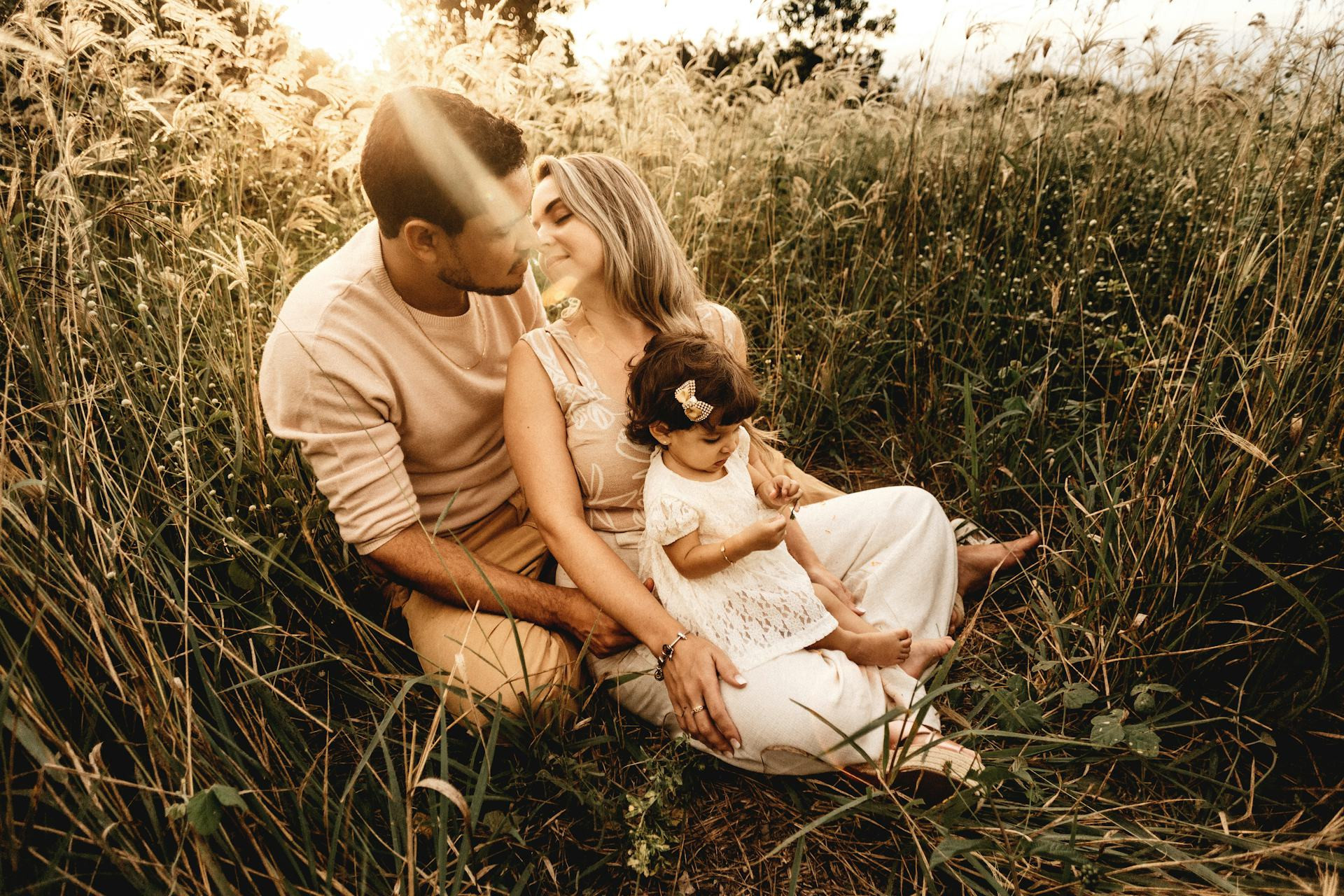
Traditions are like quiet threads that weave families together. They bring rhythm, comfort, and a sense of belonging. Yet, in a time when family life is more fluid and diverse than ever, holding on to old customs while embracing new ones can be a delicate balancing act. How do families in today’s America preserve what matters most while allowing their traditions to evolve?
Why Traditions Matter
Traditions are more than holiday meals or birthday candles. They are shared stories that tell us who we are and where we come from. Whether it’s a Thanksgiving dinner, a Sunday pancake ritual, or a summer road trip, these repeated moments create continuity in a world that changes fast. For children especially, traditions offer stability and a sense of identity.
But traditions can also become rigid if they never change. As families grow, move, or blend, what once felt joyful can start to feel like obligation. That’s when it helps to pause and ask: What do we truly value about this tradition—and why?
Læs også:
When New Generations Leave Their Mark
Every generation reshapes family traditions in its own way. Young adults may have different priorities, dietary choices, or cultural influences. That can lead to tension, but it can also open doors to creativity and connection.
Maybe Thanksgiving dinner becomes a potluck where everyone brings a favorite dish. Maybe a Christmas Eve gathering turns into a brunch to fit everyone’s schedules. Or perhaps a long-standing recipe gets a plant-based twist. The goal isn’t to replace the old but to let it grow with the family.
Making Space for Conversation and Flexibility
Traditions thrive when they feel meaningful to everyone involved. Open conversations can help families decide which customs still bring joy and which might need a refresh. What moments do people look forward to most? Which ones feel more like chores? And what new ideas could make celebrations more inclusive?
Including everyone—especially children—in these discussions helps traditions stay alive. Letting kids choose a new holiday activity or giving teens a role in planning can make them feel invested. When everyone has a voice, traditions become shared experiences rather than fixed routines.
When Families Blend and Cultures Meet
Modern American families often bring together different backgrounds, faiths, and customs. A marriage might unite two sets of holiday traditions, or a family might celebrate both Hanukkah and Christmas, Diwali and Thanksgiving. These intersections can be challenging, but they also offer rich opportunities for connection.
Instead of choosing one tradition over another, families can find ways to honor both. Sharing foods, stories, and rituals from each side shows respect for everyone’s heritage—and creates new, blended traditions that reflect the family’s unique identity.
Everyday Traditions Matter Too
Not all traditions are tied to holidays. The small, everyday rituals—a Friday pizza night, bedtime stories, or a morning walk—often hold the deepest meaning. They create moments of calm and connection amid busy schedules.
As life changes—kids leave for college, new family members arrive, or work hours shift—these routines may need to adapt. What matters most is not keeping them exactly the same, but keeping their spirit alive.
Keeping the Heart of Tradition
Change doesn’t mean losing your roots. In fact, traditions often become stronger when they evolve naturally. The key is to preserve their heart—the sense of togetherness and meaning—while allowing their form to shift.
When families find their own balance between the familiar and the new, traditions stop being just something to repeat. They become something to live—an ongoing reflection of who the family is, and who it’s becoming.
Læs også: