Play, Movement, and Well-Being: How Physical Activity Promotes Children’s Mental and Social Health

Play, Movement, and Well-Being: How Physical Activity Promotes Children’s Mental and Social Health
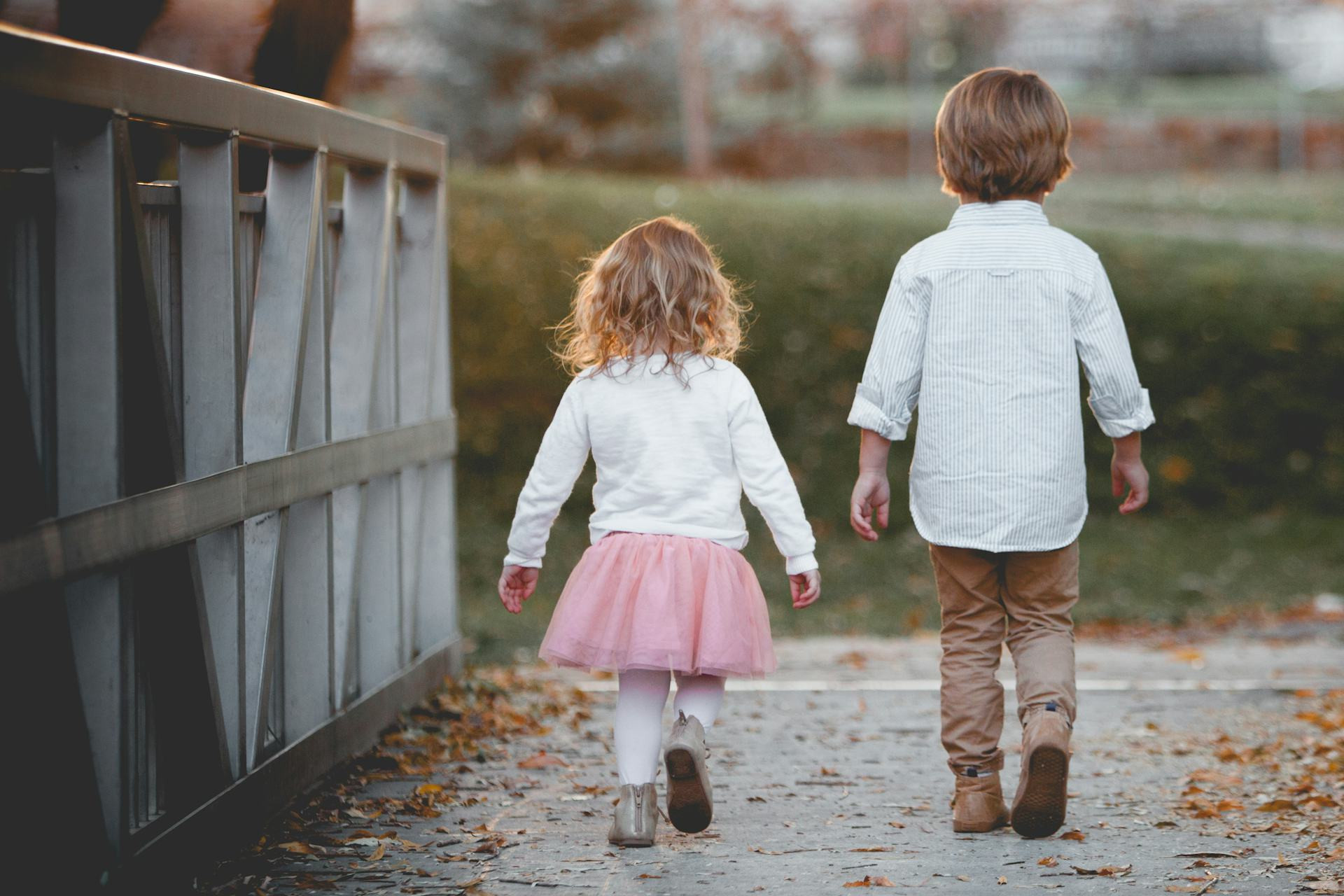
When children run, climb, dance, or play tag, they’re doing far more than just burning energy. Movement is a vital part of childhood — not only for building strong bodies but also for nurturing healthy minds and relationships. In a time when many kids spend hours each day in front of screens, understanding how play and physical activity support children’s well-being has never been more important.
Play as the Foundation for Learning and Growth
Play is how children make sense of the world. Whether they’re building forts, playing hide-and-seek, or inventing games with friends, they’re developing creativity, problem-solving skills, and cooperation. Research shows that children who engage in daily active play tend to have better focus, stronger memory, and greater imagination.
Physical activity also boosts brain function. When kids move, their heart rate increases, improving blood flow and oxygen to the brain. This helps release chemicals that enhance mood, attention, and learning. In classrooms across the U.S., teachers who incorporate movement breaks often see improvements in students’ engagement and academic performance.
How Physical Activity Supports Mental Health
Exercise is one of the most effective natural mood boosters — and that’s true for children, too. When kids are active, their brains release endorphins and dopamine, which help reduce stress and anxiety while promoting feelings of happiness and calm. Regular movement can help children manage the pressures of school, social life, and daily routines.
Physical activity also builds confidence. Learning to ride a bike, mastering a new dance move, or scoring a goal gives children a sense of accomplishment. These moments of success strengthen self-esteem and resilience — qualities that support mental health throughout life.
Movement as a Social Connector
Play and movement are powerful tools for building friendships and social skills. On playgrounds, in sports teams, or during recess, children learn to cooperate, share, and resolve conflicts. They experience the joy of teamwork and the challenge of compromise.
Group activities — from soccer practice to neighborhood games — help children connect across differences. Through play, they practice empathy, communication, and respect. These social-emotional skills are essential not only for childhood but for thriving in adulthood as well.
How Parents and Schools Can Encourage Active Play
Supporting children’s physical activity doesn’t have to mean signing up for competitive sports. It’s about creating opportunities for movement that feel fun, natural, and inclusive.
- Make movement enjoyable – Choose activities that match your child’s interests. The goal is joy, not performance.
- Allow time for free play – Unstructured playtime helps children develop independence and creativity.
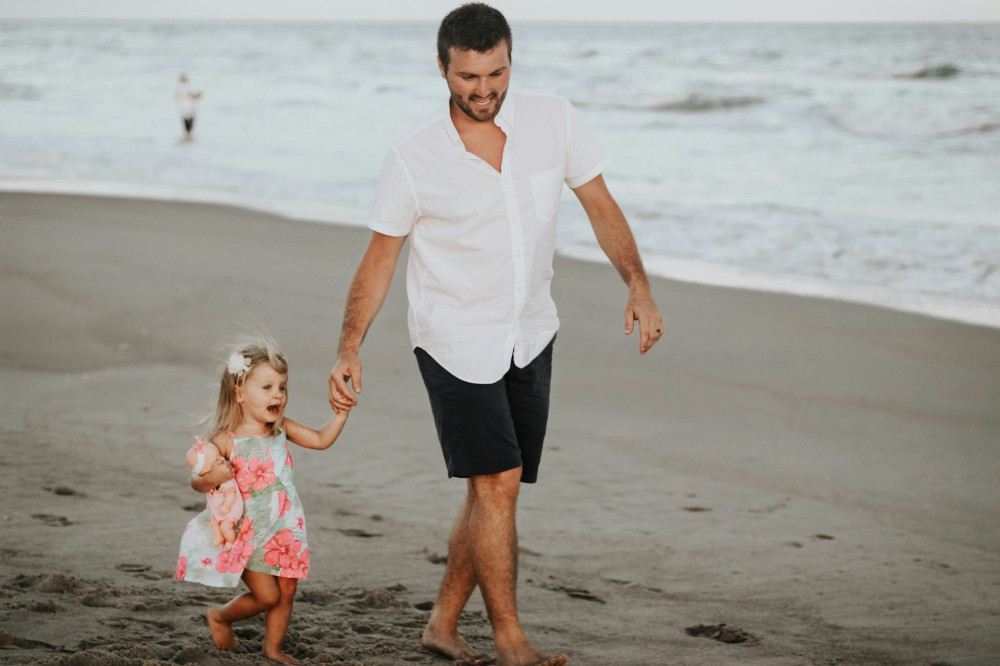
- Be a role model – Kids are more likely to be active when they see their parents walking, biking, or playing with them.
- Integrate movement into the school day – Short activity breaks or lessons that involve movement can boost focus and well-being.
- Find the right balance – Some children thrive in organized sports, while others prefer open-ended play. What matters most is that movement feels safe and motivating.
Læs også:

Investing in a Healthier Future
Encouraging children to move is an investment in their future — physically, mentally, and socially. Play and physical activity bring joy, strengthen communities, and equip children with the tools they need to navigate life’s challenges.
When families, schools, and communities in the U.S. prioritize movement, they’re not just promoting fitness. They’re helping raise confident, curious, and emotionally healthy young people — ready to grow, learn, and thrive.
Læs også: