Learning Through Play: How Small Experiments and Quizzes Enrich Everyday Life

Learning Through Play: How Small Experiments and Quizzes Enrich Everyday Life
Learning something new doesn’t have to feel like homework. In fact, research shows that we remember better when we play, experiment, and challenge ourselves in fun ways. Small quizzes, experiments, and playful activities can make everyday life more engaging—for both kids and adults. Here’s how you can bring more play into your daily routine at home, at work, or in your free time.
Why Play Boosts Learning
When we play, our curiosity and creativity come alive. We feel free to try, fail, and try again—without fear of being judged. That freedom builds motivation and helps knowledge stick.
For children, play is the most natural way to explore the world. But adults benefit just as much. A quick trivia game during lunch, a kitchen experiment, or a playful approach to a new skill can turn learning into an experience rather than a chore.
Everyday Experiments
You don’t need a lab coat to experiment. Everyday life is full of opportunities to explore and learn.
- In the kitchen: Try baking cookies with different types of flour and compare the results. Which texture do you like best? Which batch rises more? It’s chemistry and taste-testing in one.
- In the garden or on the balcony: Plant seeds in different soils and watch how they grow. It’s a hands-on lesson in nature—and patience.
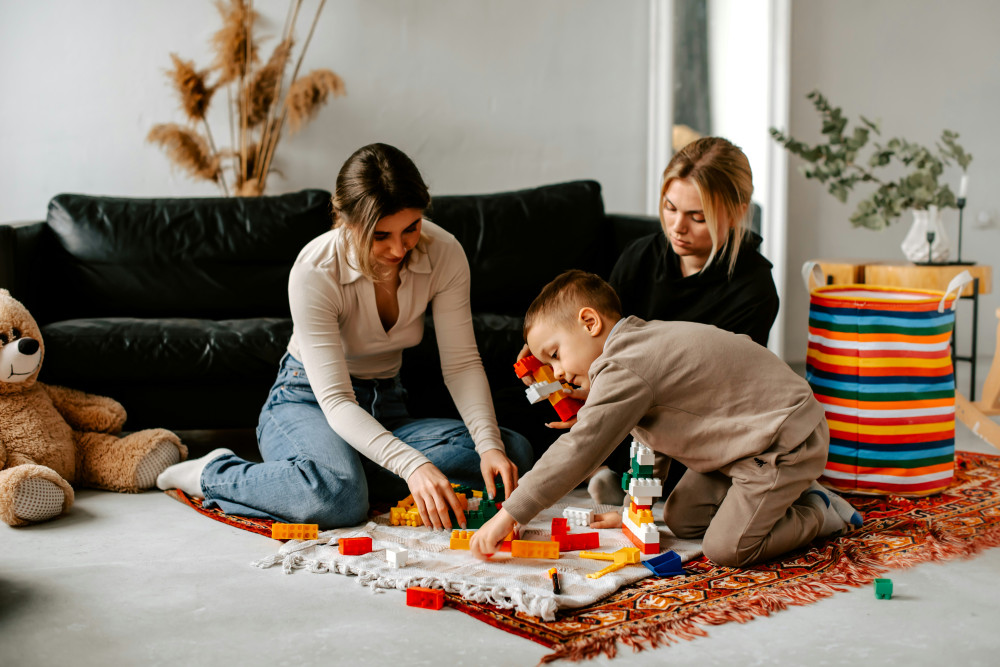
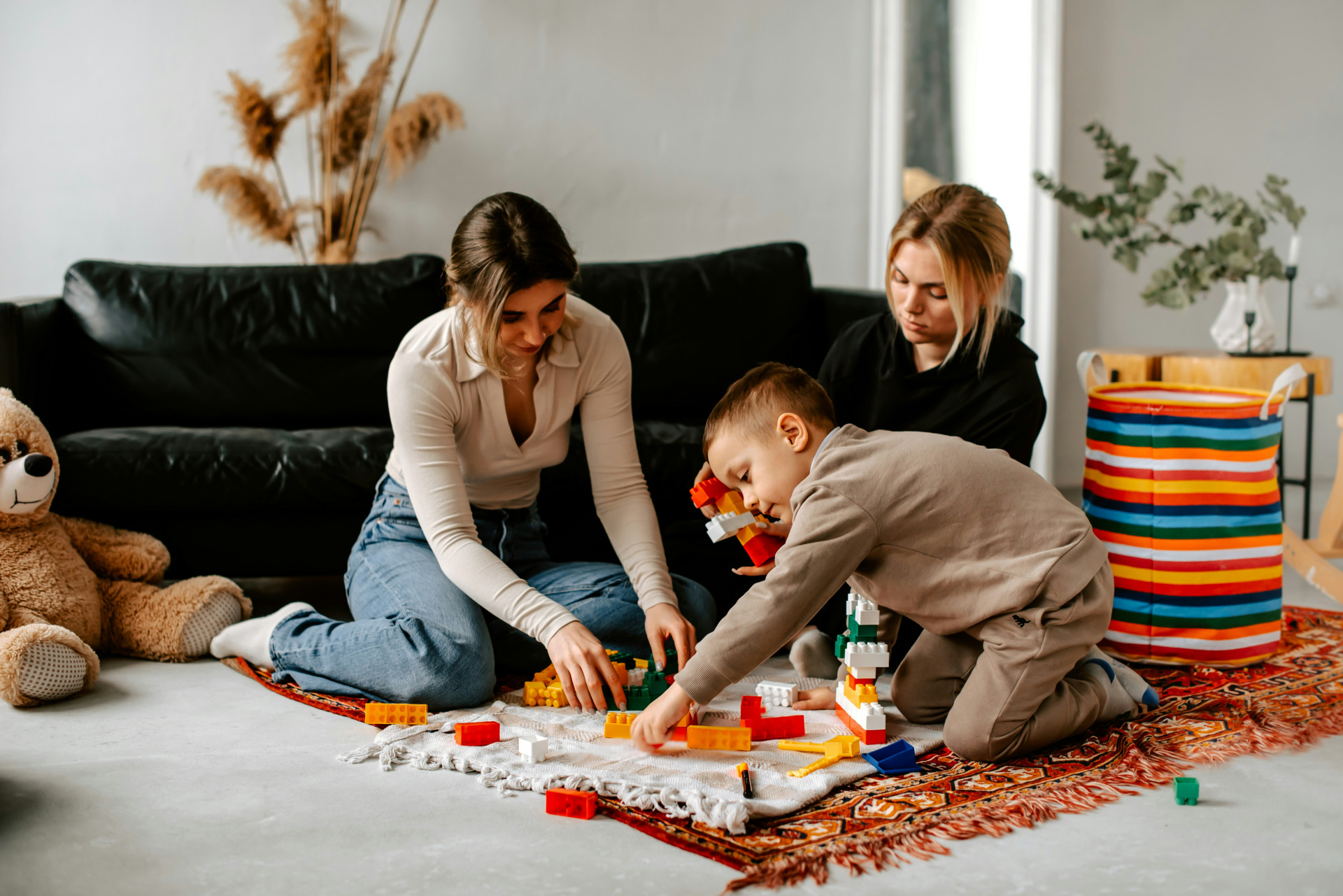
- At home with kids: Do simple “what happens if…” experiments. What happens if you mix oil and water? Or sprinkle salt on an ice cube? These small moments spark curiosity and conversation.
These experiments don’t just teach—they create shared experiences and memories that strengthen relationships.
Quizzes as Brain Workouts
Quizzes are a simple and effective way to keep your mind sharp. They challenge memory, spark curiosity, and give a quick sense of accomplishment when you get an answer right.
Try a weekly family quiz night where everyone contributes questions. Topics can range from geography and pop culture to family history. At work, a short trivia break can bring laughter, connection, and maybe a bit of friendly competition.
There are plenty of quiz apps and online games to choose from, but you can also make your own questions to match your group’s interests.
Læs også:



Playful Learning for Adults
Many adults associate learning with textbooks and lectures, but playful learning can be just as powerful. When we play, we open ourselves to new ideas and creative thinking.
Try these ideas:
- Brainstorming through play: Use sticky notes, doodles, or small objects to visualize ideas.
- Role-playing: Use humor and improvisation to practice communication or problem-solving.
- Gamify your goals: Turn tasks into small games—set points, challenges, and rewards.
It’s not about being childish; it’s about using the energy of play to stay engaged and inspired.
Learning as a Shared Experience
When play and learning come together, something special happens: connection. Whether it’s with family, classmates, or coworkers, playing together builds trust, laughter, and shared memories—making it easier to learn together.
A quiz can become a family tradition at dinner. A small experiment can spark a new hobby. And a playful mindset can make even daily routines more enjoyable.
Small Steps, Big Impact
You don’t have to overhaul your life to bring more play into it. Start small: host a quiz night, try a weekend experiment, or set a playful goal for the week. The key is to stay curious—and remember that learning isn’t just about getting smarter. It’s also about having fun along the way.
Læs også: