The Rebellion of Rock: When the Sound of Youth Became a Global Cultural Force


The Rebellion of Rock: When the Sound of Youth Became a Global Cultural Force
When the first electric guitars began to roar through American radios in the 1950s, it wasn’t just a new sound—it was a revolution. Rock music became the language of youth, a defiant cry against conformity and a soundtrack for social change. From small-town garages to massive arenas, rock embodied freedom, individuality, and the restless energy of a generation determined to make its mark.
From the Blues to the Birth of Rock ’n’ Roll
Rock’s roots run deep in the American South, where African American blues and rhythm and blues met the twang of country and gospel. In the years after World War II, teenagers discovered a raw, rhythmic sound that spoke directly to their experiences. When artists like Chuck Berry, Little Richard, and Elvis Presley electrified the blues, they created something both familiar and revolutionary—a sound that crossed racial and cultural boundaries.
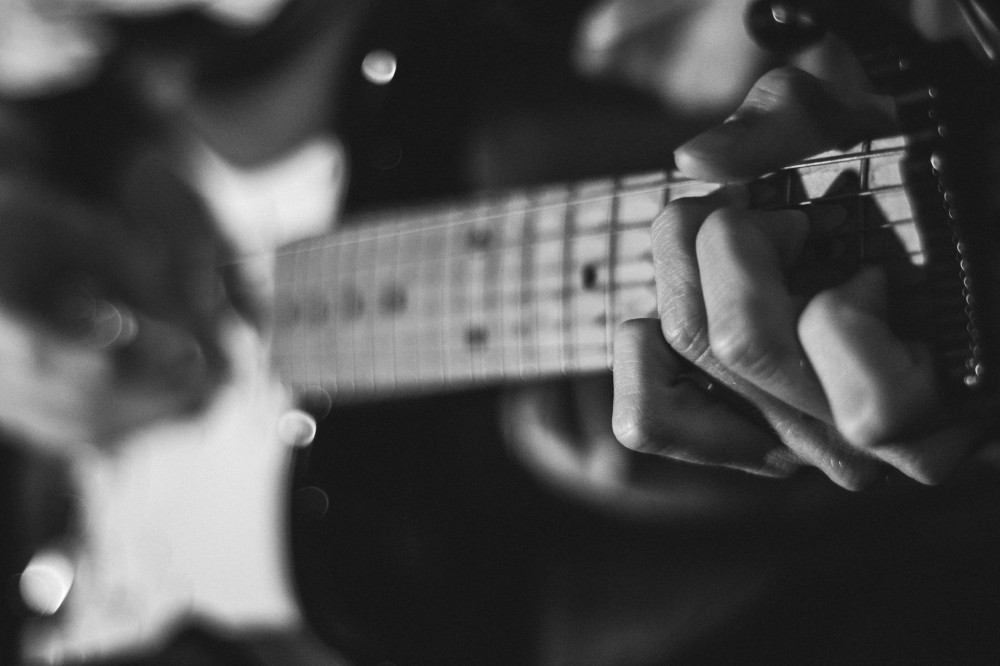
The electric guitar became rock’s ultimate symbol. It could wail, whisper, and roar, giving young musicians a tool to express rebellion and emotion in equal measure. The music was simple, but its energy was explosive—and it spread like wildfire.
The 1960s: Revolution, Idealism, and a Global Voice
By the 1960s, rock had become a cultural force that transcended borders. The British Invasion brought The Beatles and The Rolling Stones to American shores, reshaping pop culture and inspiring countless garage bands. Meanwhile, American artists like Bob Dylan and Jimi Hendrix used rock to challenge political and social norms, turning songs into statements about war, civil rights, and freedom.
Woodstock in 1969 became the defining symbol of this era—a gathering of hundreds of thousands united by music, peace, and idealism. Rock was no longer just entertainment; it was a movement, a shared belief that music could change the world.
The 1970s and 1980s: From Rebellion to Mainstream
As the 1960s gave way to the 1970s, rock evolved in every direction. Some bands embraced grand, experimental sounds—think Pink Floyd or Led Zeppelin—while others stripped it back to its raw essence. The punk explosion of the late 1970s reignited rock’s rebellious spirit with three chords, a sneer, and a do-it-yourself ethos that rejected commercial polish.
By the 1980s, rock had become a global industry. MTV turned music videos into cultural events, and stadium tours made stars like U2, Queen, and Bruce Springsteen household names. Yet even as rock filled arenas, underground scenes thrived—heavy metal, alternative rock, and indie movements kept the spirit of defiance alive.
Læs også:



The Legacy of Rock Today
Though rock no longer dominates the charts, its influence is everywhere. Its energy and attitude echo in hip-hop, pop, and electronic music. The symbols of rock—authenticity, rebellion, and freedom—still shape how artists express themselves and how audiences connect with them. New generations continue to pick up guitars, form bands, and chase the dream of creating something real.
Rock taught the world that music could be more than sound—it could be a statement, a challenge, a call to action. It gave voice to the young and the restless, proving that a song can shake the foundations of society.
A Sound That Never Fades
The story of rock is the story of how a musical rebellion became a global cultural force. It began as a spark of defiance and grew into a shared identity that transcends generations. Whether heard on vinyl, streaming platforms, or in a crowded club, rock still carries the same fire—the belief that music can change the world, one chord at a time.
Læs også: