Shared Rhythm: How Listening to Music Strengthens Community

Shared Rhythm: How Listening to Music Strengthens Community
Music has a remarkable power to bring people together. Whether it’s at a summer festival, a neighborhood block party, or a quiet evening at home with friends, music creates connections that go beyond words. Research shows that shared musical experiences don’t just make us feel good—they can strengthen social bonds, increase empathy, and foster a sense of belonging. But what exactly happens when we listen together?
Music as Social Glue
When people share a musical experience, something fascinating occurs: our bodies and emotions begin to synchronize. Heartbeats, movements, and even brain activity can align to the same rhythm. This biological response helps build trust and a feeling of unity.
That’s why strangers smile at each other during a concert, or why singing the national anthem together at a ballgame can feel so powerful. Music acts as a kind of social glue, connecting us across age, background, and culture.
Everyday Listening, Shared Meaning
You don’t need a crowd to experience music as something communal. Many families and friend groups have their own musical rituals—a playlist for road trips, a favorite song for Sunday mornings, or an album that always plays during holidays.
These small traditions create comfort and continuity. Music becomes the soundtrack of our relationships, and memories attach themselves to melodies. Hearing the same song years later can instantly bring back the feeling of togetherness, even if you’re listening alone.
Music and Connection in the Digital Age
Today, most of our listening happens through headphones and streaming platforms, but that doesn’t mean the sense of community is lost. In fact, digital tools have made it easier than ever to share music experiences.
People send songs to friends, join virtual listening parties, or follow each other’s playlists on apps like Spotify or Apple Music. For many young listeners, sharing music online is a way to express identity and belonging—to say, “This is who I am,” while inviting others to join in.
Music as a Bridge
Music can also bridge divides between people who might not otherwise connect. Across the U.S., schools, community centers, and senior homes use group music activities to build relationships and understanding. When people sing or play together, differences fade into the background—it becomes about finding the rhythm together.
Even in challenging situations, music can open doors to dialogue. Programs that bring together youth from different cultural or political backgrounds to create music show how creativity and sound can spark conversations that words alone might not.
How You Can Use Music to Strengthen Community
You don’t have to be a musician to use music as a social tool. Here are a few simple ways to bring more shared rhythm into your daily life:
- Create a shared playlist with friends, family, or coworkers—everyone adds their favorite tracks.
- Host a listening night, where you share songs that mean something to you and talk about why.
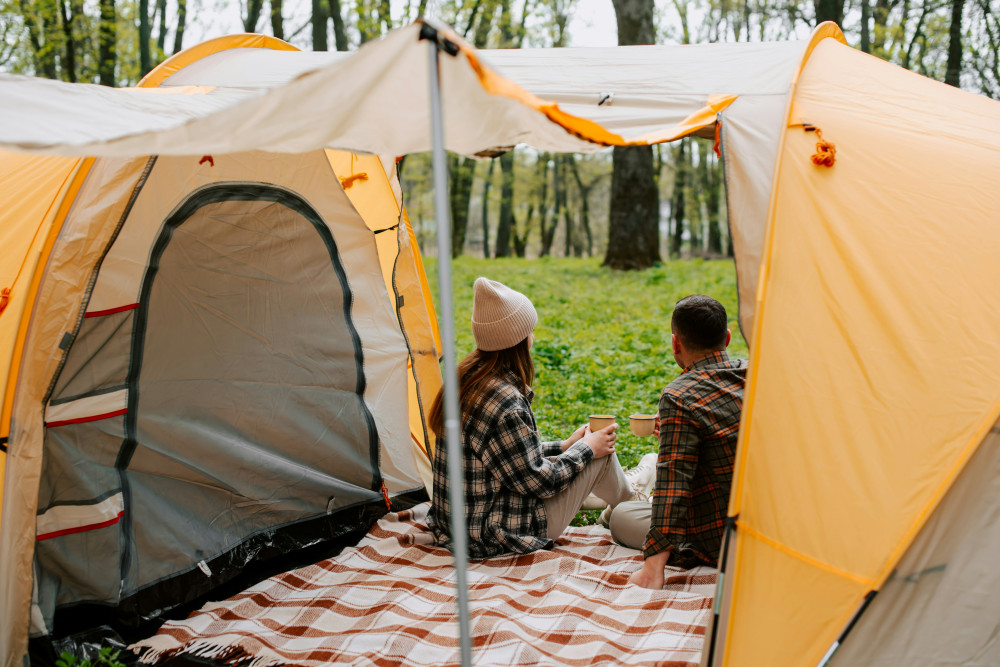
- Sing together—whether it’s karaoke, a choir, or just around a campfire. It’s not about perfection; it’s about connection.
- Use music as a conversation starter—ask others what they’re listening to and why. You might discover new sounds and new sides of people you know.
Læs også:

A Rhythm We Share
Music is more than entertainment—it’s a way of being together. When we listen, sing, or dance in sync, we feel that we belong. In a time when many people feel isolated or rushed, shared listening can remind us that we can still find one another—in the rhythm, in the melody, and in the quiet moments between the notes.
Læs også: