Shoes and Boots for Every Terrain – Find the Right Footwear for the Outdoors

Shoes and Boots for Every Terrain – Find the Right Footwear for the Outdoors
The right footwear can make all the difference between a great day outside and one you’d rather forget. Whether you’re hiking in the Rockies, exploring forest trails, or spending a weekend camping by the lake, choosing shoes or boots that match the terrain and your activity is essential. Here’s a guide to help you find the best footwear for your outdoor adventures—so you can move confidently and comfortably, wherever the trail takes you.
Know Your Terrain
Before you buy, think about where you’ll be spending most of your time outdoors. The right footwear for a desert trail in Arizona isn’t the same as what you’ll need for a muddy hike in the Pacific Northwest.
- Light terrain and day hikes: For short hikes on well-maintained trails or gravel paths, lightweight hiking shoes or trail runners are often enough. They offer flexibility and breathability but less ankle support than boots.
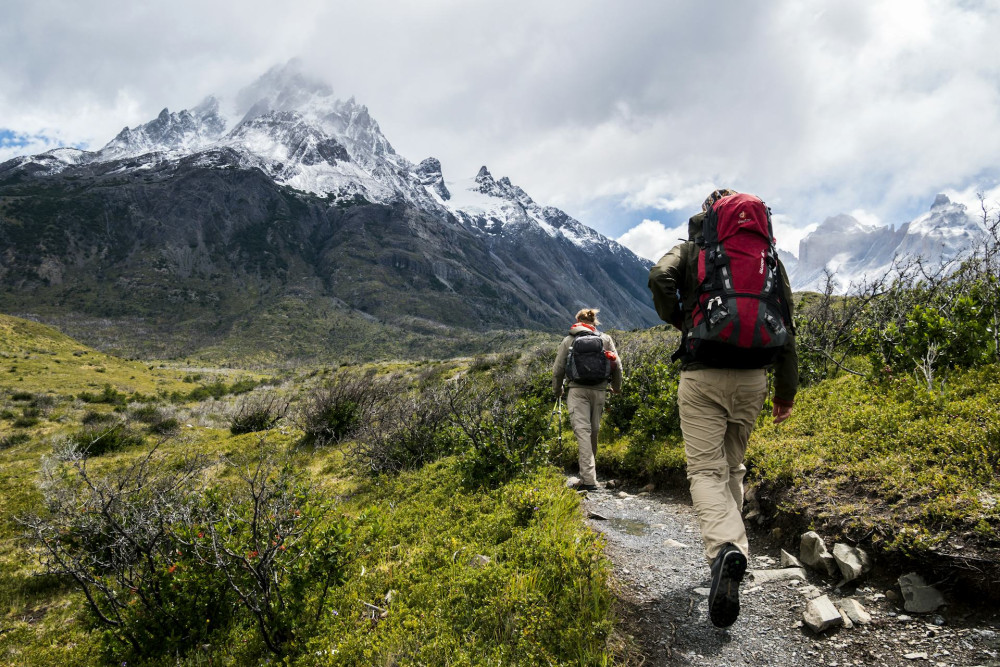
- Rugged terrain and longer treks: A classic mid- or high-cut hiking boot with ankle support is a better choice for uneven ground or multi-day hikes. It stabilizes your foot, reduces the risk of twists, and provides better traction on rocky or steep surfaces.
- Wet and muddy conditions: Choose waterproof boots with a membrane such as Gore-Tex and a deep tread pattern for grip on slick or muddy ground.
- Cold weather and winter use: Insulated boots with thick soles and room for wool socks will keep your feet warm and dry, even when temperatures drop below freezing.
Matching your footwear to the terrain isn’t just about comfort—it’s also about safety and preventing injuries.
Materials – Leather or Synthetic?
Your choice of material depends on what you value most: durability, weight, or ease of maintenance.
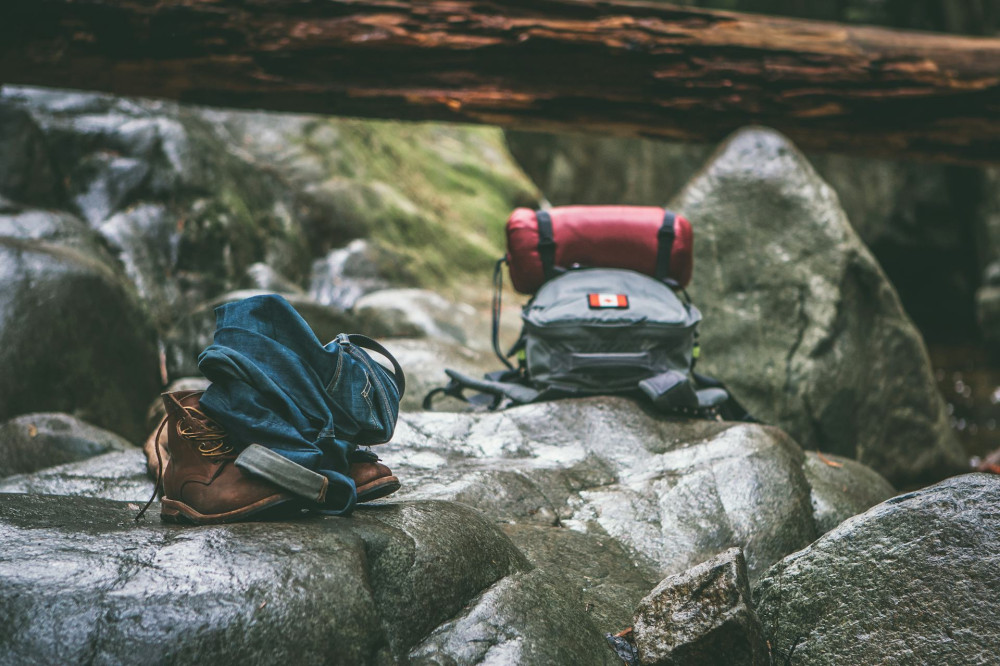
- Leather boots are tough, supportive, and can last for years with proper care. They’re ideal for long hikes and heavy loads but need regular waterproofing to stay weather-resistant.
- Synthetic boots are lighter, dry faster, and require less upkeep. They’re great for summer hikes and casual use but tend to wear out faster than leather.
- Hybrid models combine leather and textile materials to balance durability and low weight.
Whatever material you choose, make sure the sole provides solid traction and the fit supports your foot without pinching.
Læs også:

Fit and Comfort
Even the best boot is useless if it doesn’t fit properly. Always try on footwear later in the day when your feet are slightly swollen—this gives a more accurate sense of how they’ll feel on the trail.
- Leave a little space in front of your toes to prevent them from hitting the front on descents.
- Your heel should stay in place without slipping, or you risk blisters.
- Wear the same socks you plan to hike in when trying on boots—this can make a big difference in fit.
Walk around the store for a few minutes to test how they feel. A good fit is key to both comfort and performance.
Care and Longevity
A quality pair of boots can last for many years if you take care of them. After each trip, brush off dirt and let them dry at room temperature—never directly by a heater, as that can damage the materials.
- Leather boots: Clean and treat regularly with wax or leather conditioner to maintain water resistance.
- Synthetic boots: Use a spray-on waterproofing product suitable for the material.
- Soles: Check for wear. Worn-out soles can often be replaced, saving you from buying new boots.
With proper care, your boots can become trusted companions on countless adventures.
Finding the Right Pair for You
There’s no single perfect shoe or boot for everyone. The best choice depends on your needs, your feet, and your outdoor goals. If you mostly take short hikes on local trails, lightweight shoes may be all you need. But if you’re planning a backpacking trip through the mountains, invest in sturdy boots with strong support.
Take your time to try different models, and prioritize quality over price alone—your feet will thank you when you’re out in nature, enjoying the journey without sore toes or blisters.
Læs også: