Gear That Lasts: How to Clean and Maintain Your Outdoor Equipment

Gear That Lasts: How to Clean and Maintain Your Outdoor Equipment
When you invest in quality outdoor gear, you’re not just buying comfort—you’re investing in years of adventures. But even the best equipment won’t last forever if it’s neglected. With a little regular cleaning and maintenance, you can extend the life of everything from your tent and sleeping bag to your hiking boots and cookware. Here’s a practical guide to keeping your gear in top shape—season after season.
Clean Up After Every Trip
It’s tempting to toss your gear in the garage after a long trip, but a quick cleanup makes a big difference. Dirt, sand, and moisture can cause long-term damage if left unchecked.
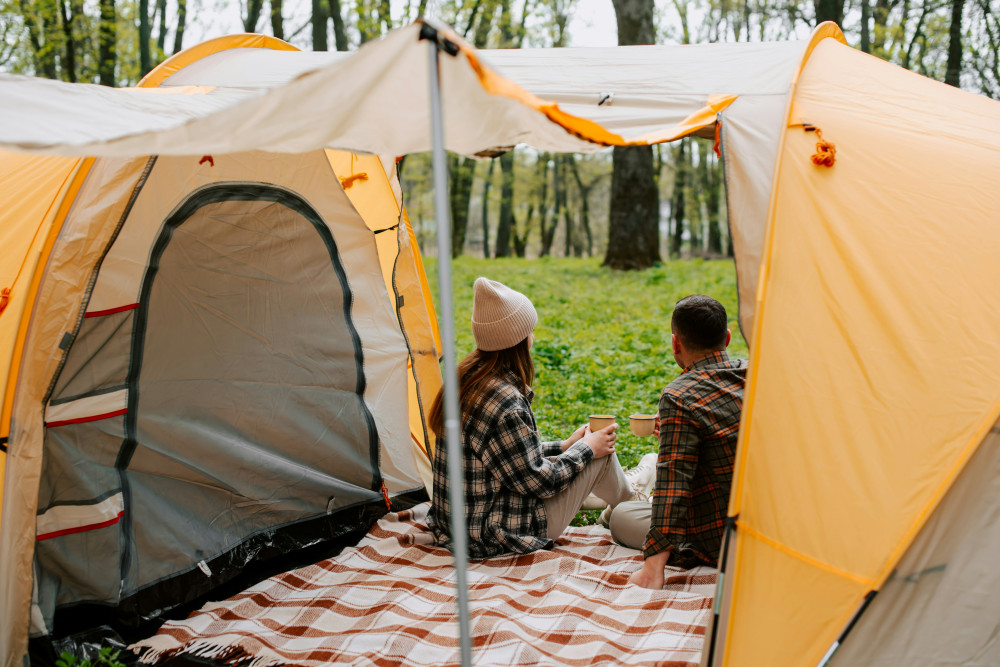
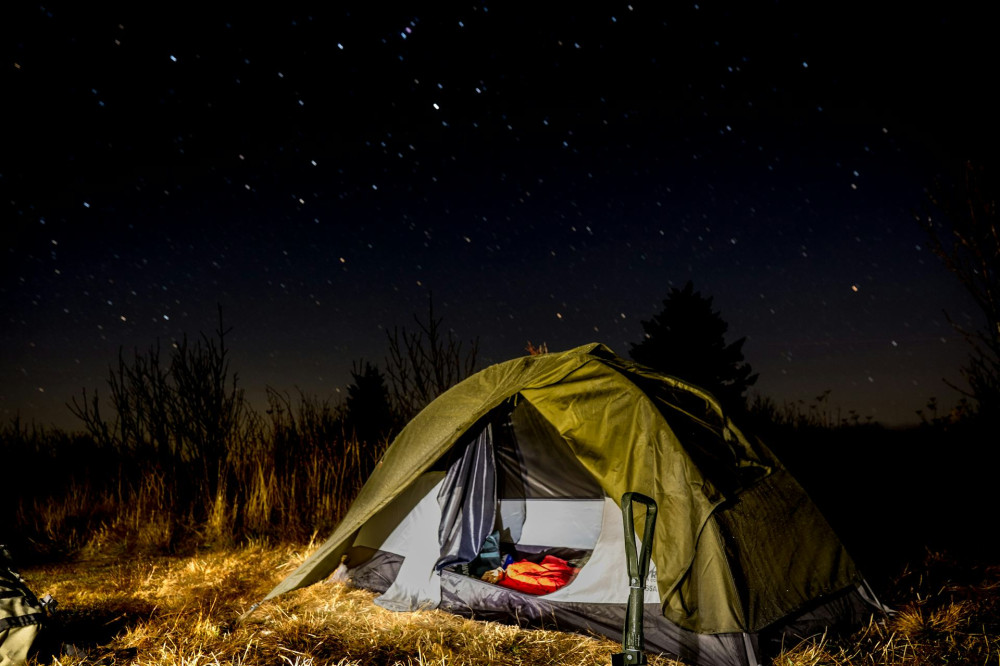
- Tent: Shake out dirt and leaves, and make sure it’s completely dry before packing it away. Even a little moisture can lead to mildew and bad odors. Use a soft brush and lukewarm water to remove stains—avoid harsh detergents or solvents.
- Sleeping bag: Air it out after each trip, and wash only when necessary. Use a gentle detergent made for down or synthetic fill, and dry it slowly—toss in a few clean tennis balls to help restore loft.
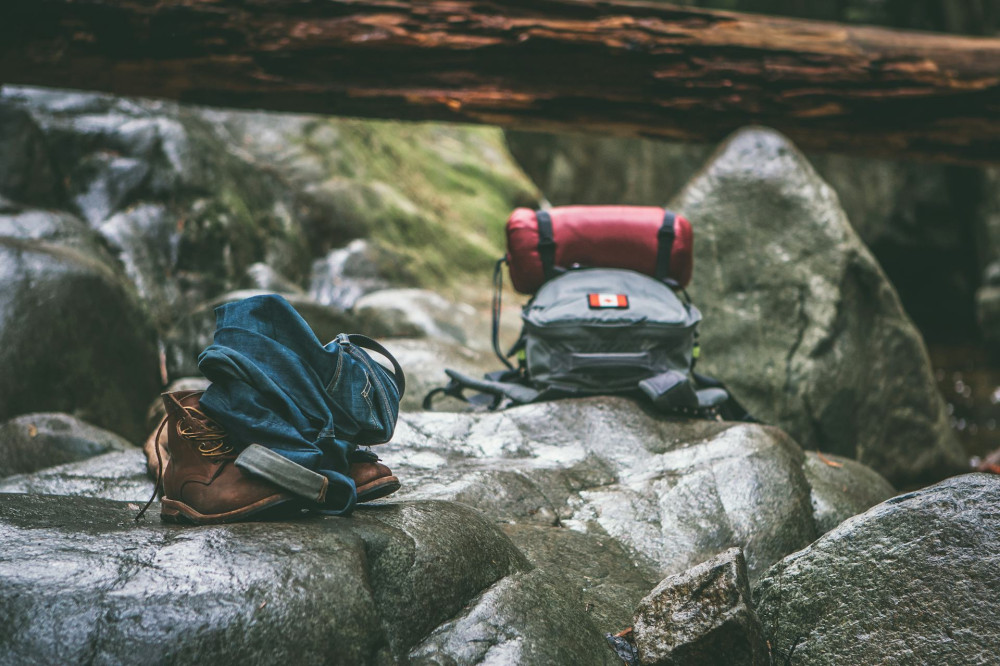
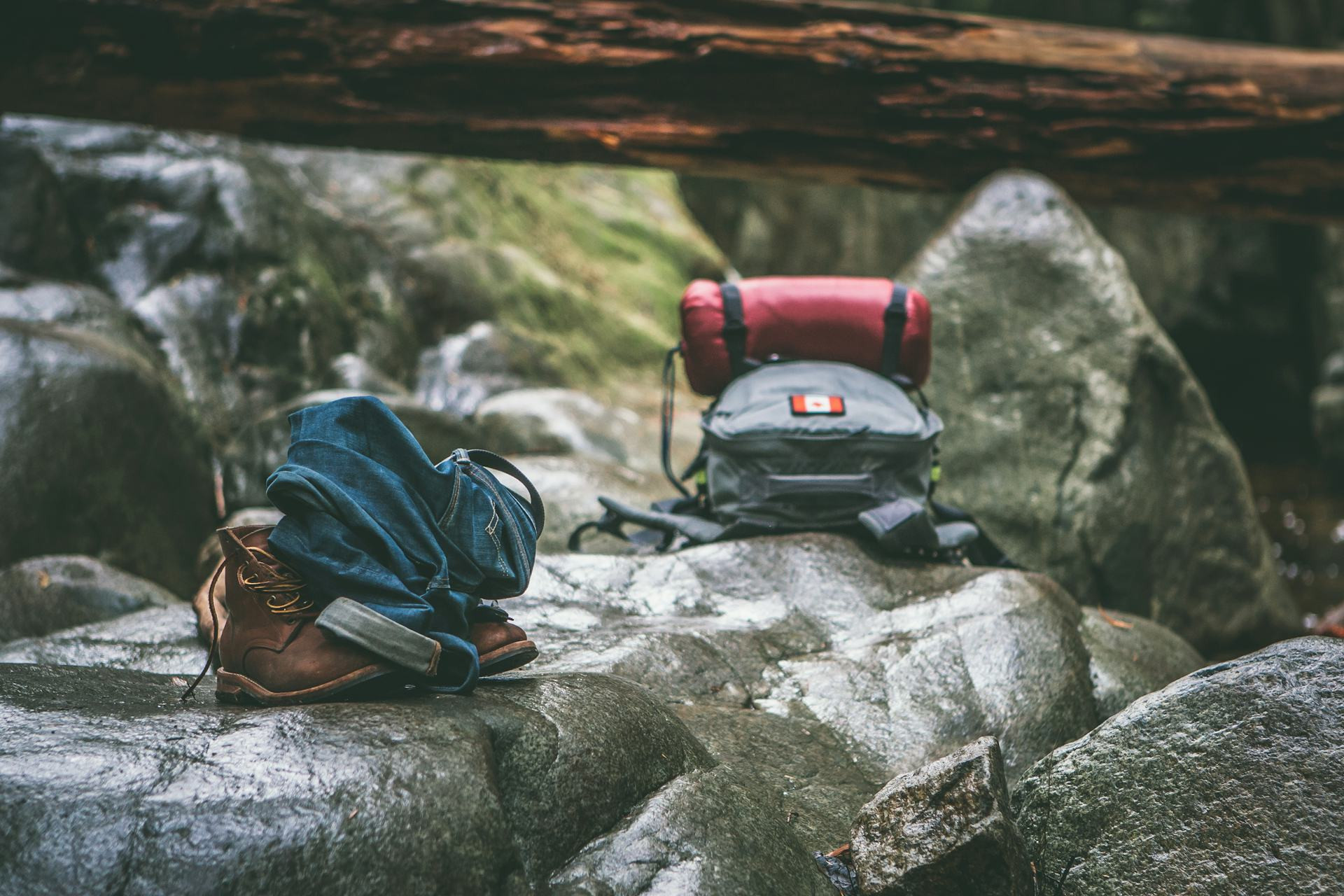
- Backpack: Empty all pockets and brush off dirt. For a deeper clean, hand wash it in a bathtub with mild soap. Avoid the washing machine—buckles and zippers can get damaged.
Caring for Footwear and Clothing
Your boots and outerwear take the most abuse—they face mud, rain, and rough terrain. A little extra care keeps them performing well for years.
- Hiking boots: Clean off mud after every trip and let them dry at room temperature—never on a heater or near a campfire. Once dry, apply leather conditioner or waterproofing treatment depending on the material. This keeps the leather supple and water-resistant.
- Rain and shell jackets: Wash with a cleaner designed for technical fabrics and reapply a durable water repellent (DWR) treatment regularly. This restores the water-shedding surface and maintains breathability.
- Wool and fleece layers: Wash on a gentle cycle with wool detergent and skip the fabric softener—it can damage the fibers and reduce moisture-wicking ability.
Læs også:

Smart Storage to Prevent Damage
How you store your gear matters almost as much as how you use it. Moisture, sunlight, and pressure can degrade materials over time.
- Tents and tarps: Store them dry and loosely folded—not tightly packed in their stuff sacks. This prevents coatings from sticking together.
- Sleeping bags: Hang them up or store them in a large cotton sack so the insulation keeps its loft.
- Sleeping pads: Roll them loosely and avoid stacking heavy items on top. For inflatable pads, store them with the valve open.
- Cookware: Dry everything thoroughly before packing it away, and make sure your stove is clean and free of soot.
Repair Instead of Replace
Small damages don’t have to mean the end of your gear. Many issues can be fixed easily and affordably.
- Tents and jackets: Use repair patches or specialized tape to cover small holes. They hold surprisingly well if the surface is clean and dry.
- Zippers: If they start to stick, apply a little silicone or zipper wax. It extends their life and makes them easier to use.
- Boots: A loose sole or broken stitching can often be repaired by a cobbler—cheaper and more sustainable than buying new.
Think Sustainably—and Save Money
Taking care of your gear isn’t just about saving money—it’s about reducing waste. The longer your equipment lasts, the smaller your environmental footprint. Many outdoor brands now offer repair services or replacement parts, so you can fix rather than replace.
It also pays to buy quality from the start. A well-made tent or a sturdy pair of boots can last for decades if you maintain them properly.
Ready for Your Next Adventure
Maintaining your outdoor gear isn’t just preparation for your next trip—it’s a way to respect both nature and your investment. Clean, dry, and well-cared-for equipment performs better, lasts longer, and makes every adventure more enjoyable. So next time you unpack after a trip, take those extra ten minutes—it’s an investment in many great adventures to come.
Læs også: