How to Patch Holes in Clothes – Neatly, Easily, and Durably

How to Patch Holes in Clothes – Neatly, Easily, and Durably
A small tear in your favorite shirt or a worn spot on your jeans doesn’t have to mean the end of the road for your clothes. With a few simple tools and a bit of patience, you can repair them so they look good and last longer. Mending clothes isn’t just practical—it’s also a creative and sustainable way to care for your wardrobe. Here’s a guide to patching holes neatly, easily, and durably.
Start by Assessing the Damage
Before you grab your needle and thread, take a close look at the problem. Is it a small hole, a rip, or a thin, worn area?
- Small holes (less than half an inch) can often be stitched closed with fine, nearly invisible stitches.
- Rips or tears may need reinforcement with a small piece of fabric behind the damaged area.
- Worn spots are best covered with a patch—either discreetly in a matching color or as a decorative accent.
The sooner you repair a hole, the better the result. Once the fabric starts to fray, it becomes harder to mend neatly.
Choose the Right Method
There’s no one-size-fits-all approach to mending. The best method depends on the fabric, the size of the hole, and the look you want.
1. Classic Hand Stitching
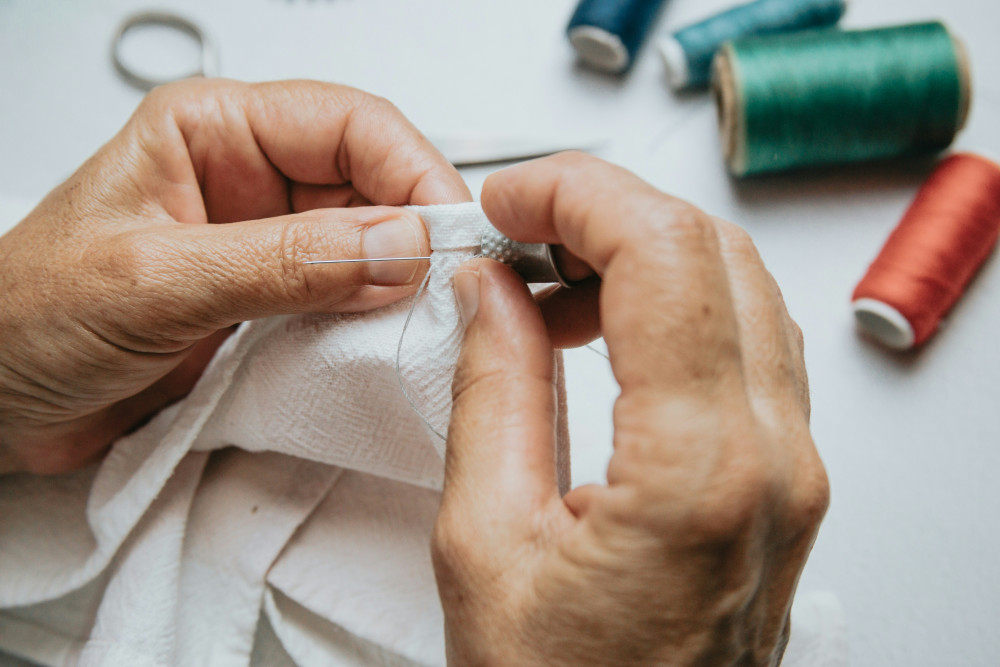
For small holes in woven fabrics like shirts, dresses, or slacks, use a fine needle and thread that matches the fabric color. Sew small, tight stitches across the hole, gently pulling the thread so the fabric comes together without puckering. This technique gives a nearly invisible finish.
2. Fabric Patching
For larger holes—especially in jeans, workwear, or kids’ clothes—a patch is the most durable solution. Cut a piece of fabric slightly larger than the hole and place it either on the inside (for a subtle look) or the outside (for a decorative touch). Sew it in place with a zigzag stitch on a sewing machine or small whip stitches by hand.
3. Iron-On Patches and Fabric Glue
If you’re short on time, iron-on patches or fabric glue can be quick fixes. Iron-on patches come in many colors and patterns and only require a hot iron. They’re great for children’s clothes or casual wear, but be sure to follow the care instructions—some adhesives hold up better than others in the wash.
4. Visible Mending
A growing trend in sustainable fashion is “visible mending,” where the repair becomes part of the design. Use colorful thread, embroidery, or contrasting fabric to turn a flaw into a feature. You can stitch flowers over a hole or create geometric patterns that add personality to your clothes.
Læs også:


Tools and Materials to Keep on Hand
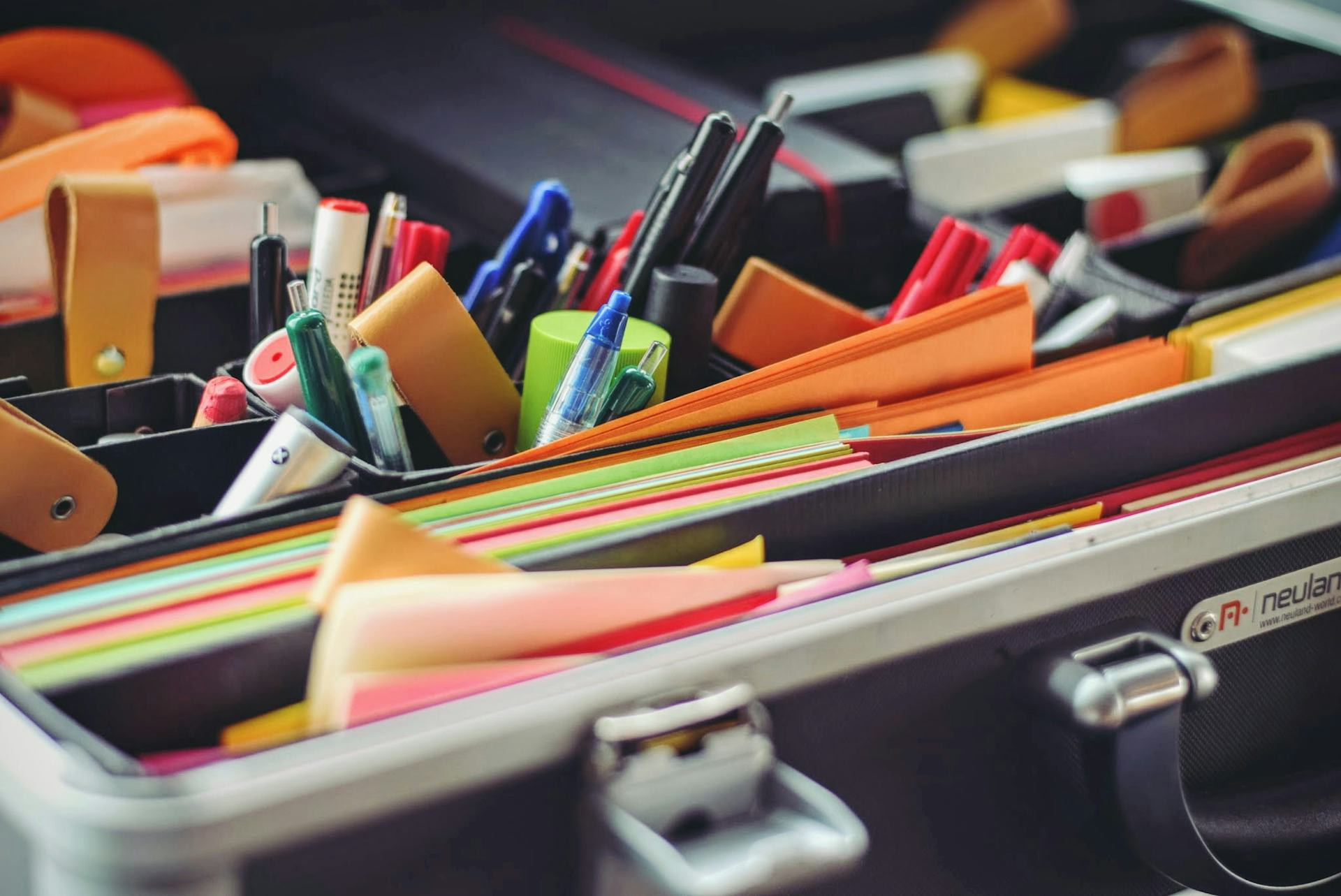
Having a small repair kit ready makes it easy to fix clothes as soon as you notice damage. You don’t need much—just the basics:
- Needles in various sizes
- Thread in neutral and matching colors
- Small scissors
- Fabric scraps (from old clothes or leftover projects)
- Fabric glue or iron-on patches
- A thimble for thicker fabrics
Keep everything in a small box or pouch so it’s easy to find when you need it.
Tips for a Durable Repair
The strength of your repair depends on how you sew and reinforce the area. Make sure the fabric lies flat as you work, and don’t pull the thread too tight. If you’re using a patch, choose fabric similar in weight to the original—too thin and it may tear again, too thick and it can feel stiff.
After sewing, lightly press the area with an iron to help the stitches settle. Wash the garment gently the first few times to let the repair set properly.
Make Mending a Habit
Mending isn’t just about saving one piece of clothing—it’s a mindset. By repairing instead of replacing, you extend the life of your clothes and reduce waste. You might even find that sewing becomes a relaxing, satisfying part of your routine.
Many people discover that a repaired garment feels more personal and meaningful than before. A small hole can become the start of a new story for your favorite piece.
A Small Fix, a Big Difference
You don’t need fancy tools or years of sewing experience to patch clothes. With a little practice, you can turn worn or torn garments into something you’re proud to wear again—maybe even more than before, because you brought them back to life with your own hands.
Læs også: