Fishing Rules with a Purpose: How They Preserve Nature’s Balance

Fishing Rules with a Purpose: How They Preserve Nature’s Balance
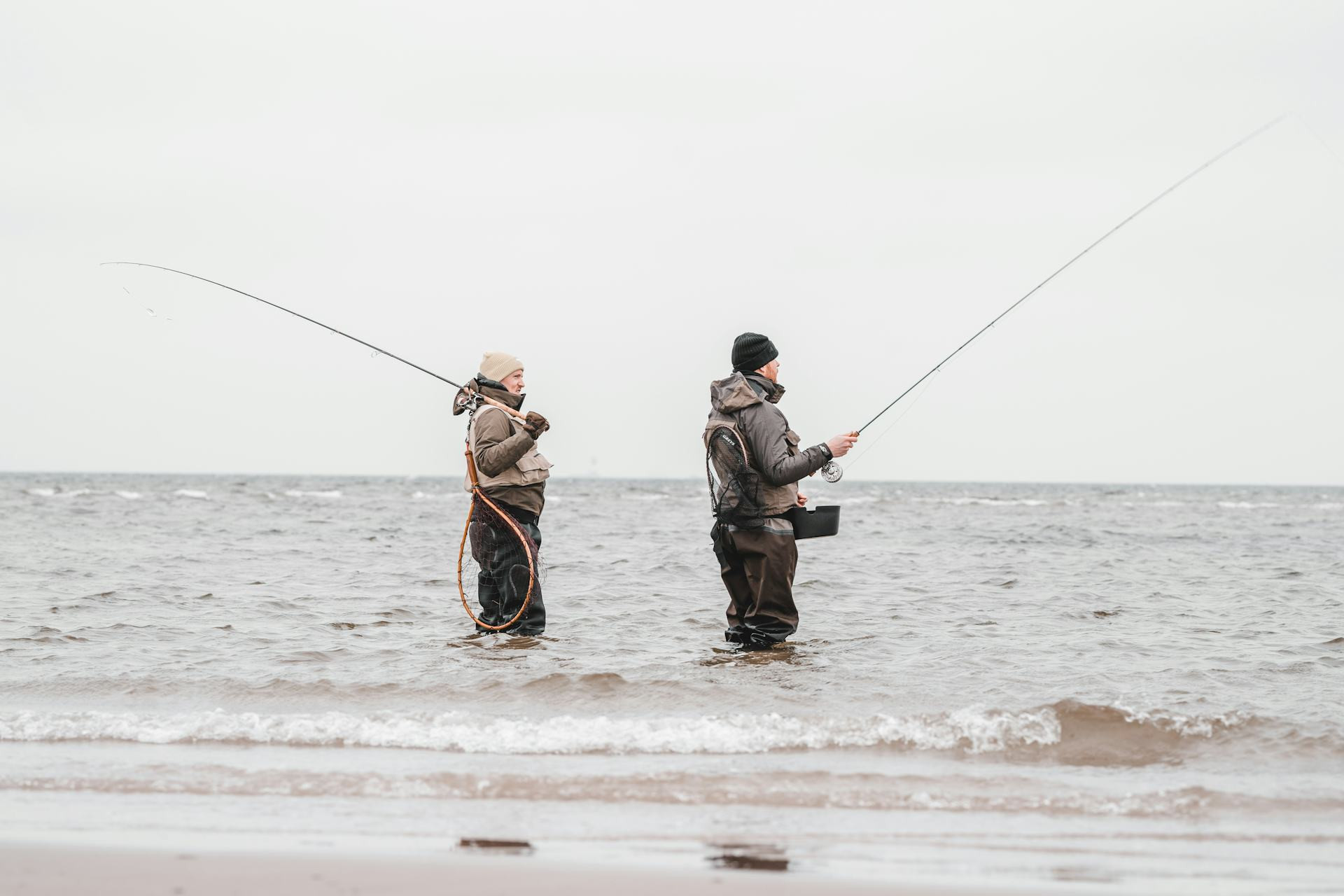
When we cast a line into a lake, river, or along the coast, it’s easy to forget that fishing is part of a much larger ecosystem. The rules that govern fishing—often seen as restrictions—are actually tools designed to protect nature and ensure that future generations can enjoy the same experience. They’re not just about how many fish you can take home; they’re about maintaining balance in aquatic environments and giving species the best chance to thrive.
Why Fishing Rules Matter
Fish populations are vulnerable to overfishing, pollution, and habitat loss. Without clear regulations, certain species can be pushed to the brink, unable to recover. When one species declines, it affects many others, disrupting the entire food web.
Fishing rules exist for a reason: sustainability. They set boundaries for when, where, and how we fish, allowing nature time to replenish itself. It’s a balance between our love for fishing and the environment’s need for rest.
Size Limits and Closed Seasons – Nature’s Breathing Space
One of the most important management tools is the size limit. A fish must reach a certain length before it can be kept. This ensures that it has had the chance to spawn at least once, contributing to the next generation.
Closed seasons act as nature’s breathing space. During spawning periods, fish are especially vulnerable, so fishing for certain species is prohibited at specific times of the year. This gives populations time to reproduce and maintain a healthy balance.
These rules may seem strict, but they’re based on biological research and long-term observation of fish populations.
Bag Limits and Local Variations
In addition to size limits and closed seasons, bag limits set a cap on how many fish an angler can keep per day. This prevents individuals from depleting an area and ensures there are enough fish for both the ecosystem and other anglers.
Regulations can vary widely across the United States. A trout stream in Montana may have different rules than a bass lake in Florida. Some waters have special restrictions to protect endangered species or fragile habitats. That’s why it’s always wise to check local regulations before heading out—not just to avoid fines, but to show respect for the environment.
Catch and Release – A Modern Approach
Many anglers today practice catch and release, returning fish to the water after capture. It’s a way to enjoy the sport without harming fish populations. But it requires care: fish should be handled gently, kept wet, and released quickly to maximize their chances of survival.
Catch and release isn’t a substitute for fishing regulations—it’s a complement. It reflects a growing awareness that responsible behavior and outdoor enjoyment can go hand in hand.
Fishing as a Shared Responsibility
Fishing rules aren’t just government mandates—they’re a shared responsibility. By following them, we help preserve biodiversity and ensure that future generations can experience the same thrill of feeling a tug on the line.
Knowing and respecting the rules is part of being a conscientious angler. It’s about participating in nature’s cycle—not exploiting it, but being part of it on its own terms.
Læs også:

Balancing Enjoyment and Stewardship
Fishing is more than a pastime; it’s a way to connect with the natural world. But that connection comes with responsibility. When we understand the purpose behind fishing regulations, we can see them not as obstacles, but as guides. They allow us to fish with a clear conscience while protecting the waters we love.
So next time you’re by the water, remember: every rule has a purpose. It’s there to protect what we all cherish—a living, balanced, and sustainable natural world.
Læs også: