Fishing at the Pier: How to Find the Best Spots in the Harbor

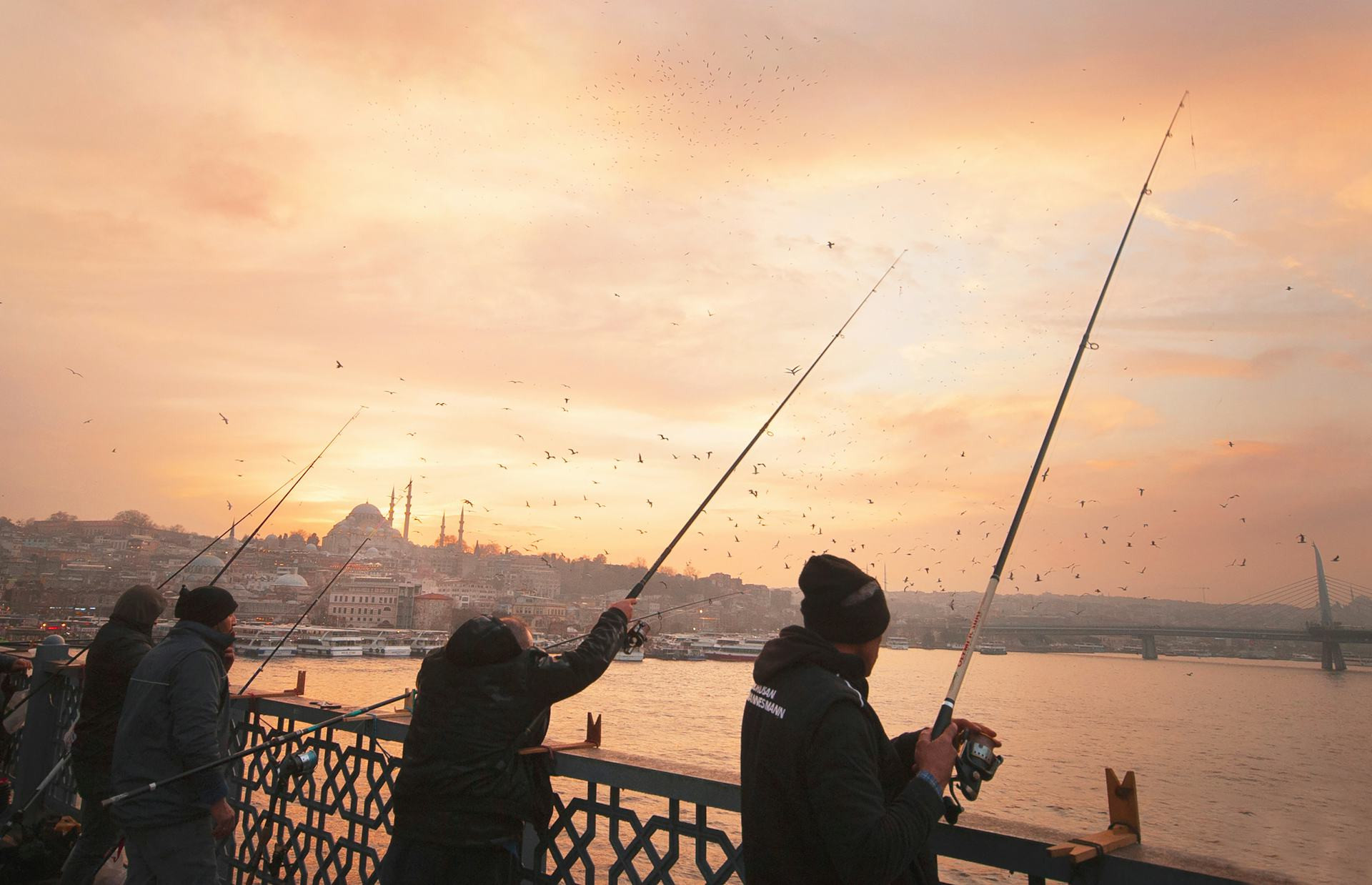
Fishing at the Pier: How to Find the Best Spots in the Harbor
Harbors and piers are some of the most accessible and exciting places to fish in the United States. Where saltwater meets freshwater, currents bring in a variety of species—from flounder and striped bass to mackerel and redfish. Whether you’re a beginner or a seasoned angler, a little knowledge and patience can help you find the best spots and reel in a great catch. Here’s a guide to discovering the most promising fishing areas around your local harbor.
Understand the Harbor’s Rhythm
A harbor is a living environment where fish move according to tides, currents, and human activity. The time of day and weather conditions play a big role in where fish gather.
- Early morning and late evening are often the most productive times, especially in summer when fish feed during cooler hours.
- After rain or wind, the water can become murkier, making fish less cautious and more likely to bite.
- During high tide, many species move closer to the pier to hunt for baitfish and shrimp.
Watch how the water moves around the pier—areas with current, eddies, or changes in depth are often prime fishing spots.
Finding the Right Spots in the Harbor
Not every part of the harbor holds fish. They seek out areas with food, shelter, and favorable conditions. Here are some classic hotspots to look for:
- Outer pier – This area faces open water and often attracts larger fish. You might find mackerel, bluefish, or striped bass here, especially in late summer and fall.
- Inner harbor – Calmer waters and plenty of structure—pilings, rocks, and seaweed—make this a good place for flounder, black sea bass, or smaller species.
- Tidal outflows and channels – Where water moves, fish follow. These spots are ideal for casting lures for redfish, speckled trout, or sea trout.
- Behind boats and near docks – Small baitfish gather here, and predators aren’t far behind. Just be sure to respect restricted areas and boat traffic zones.
A great tip is to talk with local anglers. They often know the subtle details that can make the difference between an empty bucket and a full cooler.
Gear and Bait for Pier Fishing
Pier and harbor fishing doesn’t require expensive gear, but it should match the conditions. A light to medium spinning rod around 8–9 feet long works well for most species. Pair it with a spinning reel spooled with 10–15 lb test line for good control and casting distance.
When it comes to bait, your choice depends on what you’re targeting:
- Mackerel and bluefish: use metal spoons, jigs, or small lures that mimic baitfish.
- Flounder and sea bass: fish near the bottom with natural bait like squid strips, shrimp, or bloodworms.
- Redfish and trout: try soft plastic lures or live shrimp under a popping cork.
- Striped bass: cast plugs or swimbaits, especially during dawn or dusk.
Always bring pliers, a knife, and a bucket or cooler for your catch—and don’t forget a trash bag to keep the pier clean.
Safety and Respect
Piers and harbors can be slippery and busy, so safety is key. Wear non-slip shoes and avoid standing too close to the edge, especially at night. If you’re fishing with kids, make sure they wear life jackets.
Respect local rules and regulations. Some areas restrict fishing due to commercial traffic or environmental protection. Check posted signs or your local fish and wildlife website before you start.
And remember: only keep what you plan to eat. Catch and release is a great way to help preserve fish populations—and it can be just as rewarding as taking your catch home.
Læs også:

The Joy of Community
One of the best things about pier fishing is the sense of community. Many harbors have regular groups of anglers who share tips, stories, and even bait. It’s a great way to learn new techniques and make friends who share your passion.
Bring your family along, too. Kids love seeing what’s under the surface, and a day by the water can easily become a cherished tradition.
A Harbor Full of Possibilities
Pier fishing is one of the most accessible forms of angling in America. You don’t need a boat, and you can fish year-round in most coastal areas. With a bit of patience, respect for nature, and an eye for detail, you can find your own favorite spots—and maybe even land your first big striped bass or redfish.
So next time you take a walk along the pier, bring your rod. You never know what’s waiting beneath the surface.
Læs også: