Wine Maturity: How to Recognize the Perfectly Aged Wine

Wine Maturity: How to Recognize the Perfectly Aged Wine
Finding a wine that has reached its perfect point of maturity is like capturing a fleeting moment in time—when fruit, acidity, tannin, and aroma come together in seamless harmony. But how can you tell when a wine is “ready”? And what does it really mean for a wine to be perfectly aged? Here’s a guide to understanding how wine evolves and how to recognize when it has reached its peak.
What Happens as Wine Ages?
Wine is a living product that changes over time. During aging, complex chemical reactions occur between acids, sugars, alcohol, and tannins. Fresh fruit aromas gradually give way to more nuanced notes—think dried fruit, leather, tobacco, nuts, or earth.
Red wines with firm tannins—like Cabernet Sauvignon, Nebbiolo, or Syrah—often benefit from several years of aging, as the tannins soften and integrate. White wines with high acidity, such as Riesling or Chardonnay, can develop depth and complexity with time, revealing honeyed or nutty undertones.
However, not every wine improves with age. Many are crafted to be enjoyed young, when their freshness and fruit character are at their brightest. The key is knowing a wine’s aging potential.
Signs That a Wine Is Mature
Recognizing maturity takes both experience and curiosity. Here are some of the clearest indicators that a wine has reached its optimal stage:
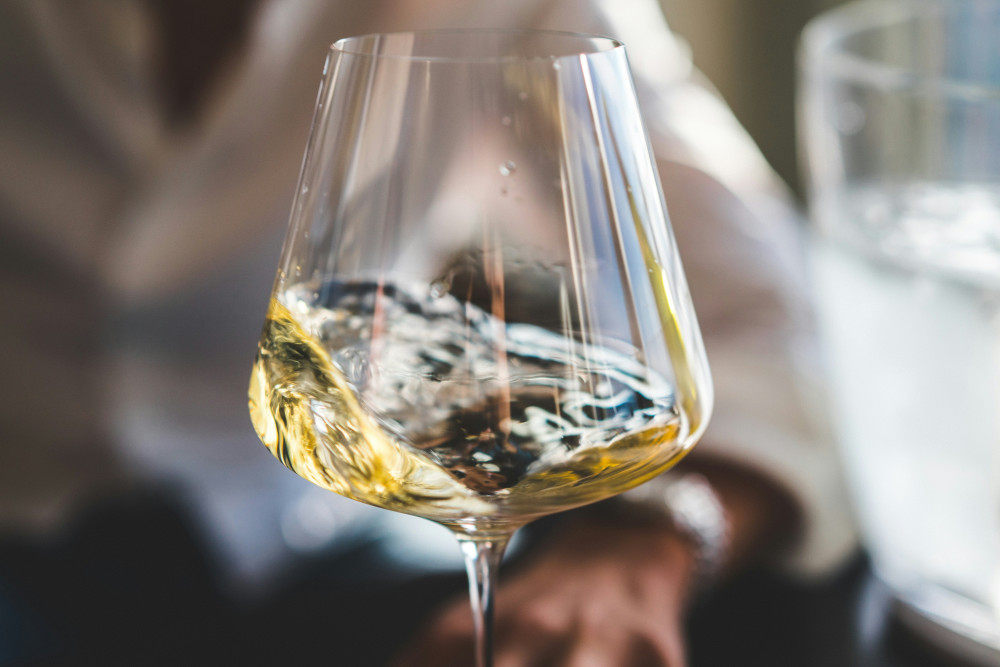
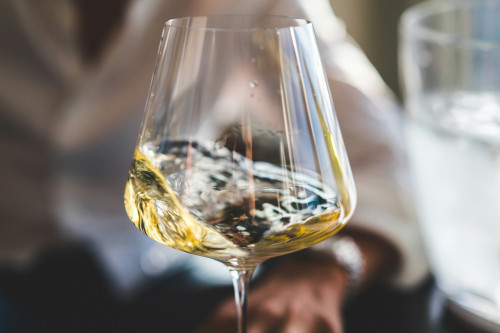
- Color changes: Red wines shift from deep ruby to brick or garnet at the rim. White wines darken from pale straw to golden or amber hues.
- Aroma becomes more complex: Fresh berry or citrus notes evolve into scents of dried fruit, honey, nuts, mushrooms, or spice.
- Taste grows rounder: Tannins feel softer, acidity mellows, and the finish becomes longer and more harmonious.
- Balance is key: A mature wine feels complete—neither too sharp nor too flat, but beautifully integrated.
If a wine tastes dull, flat, or lifeless, it may have passed its prime.
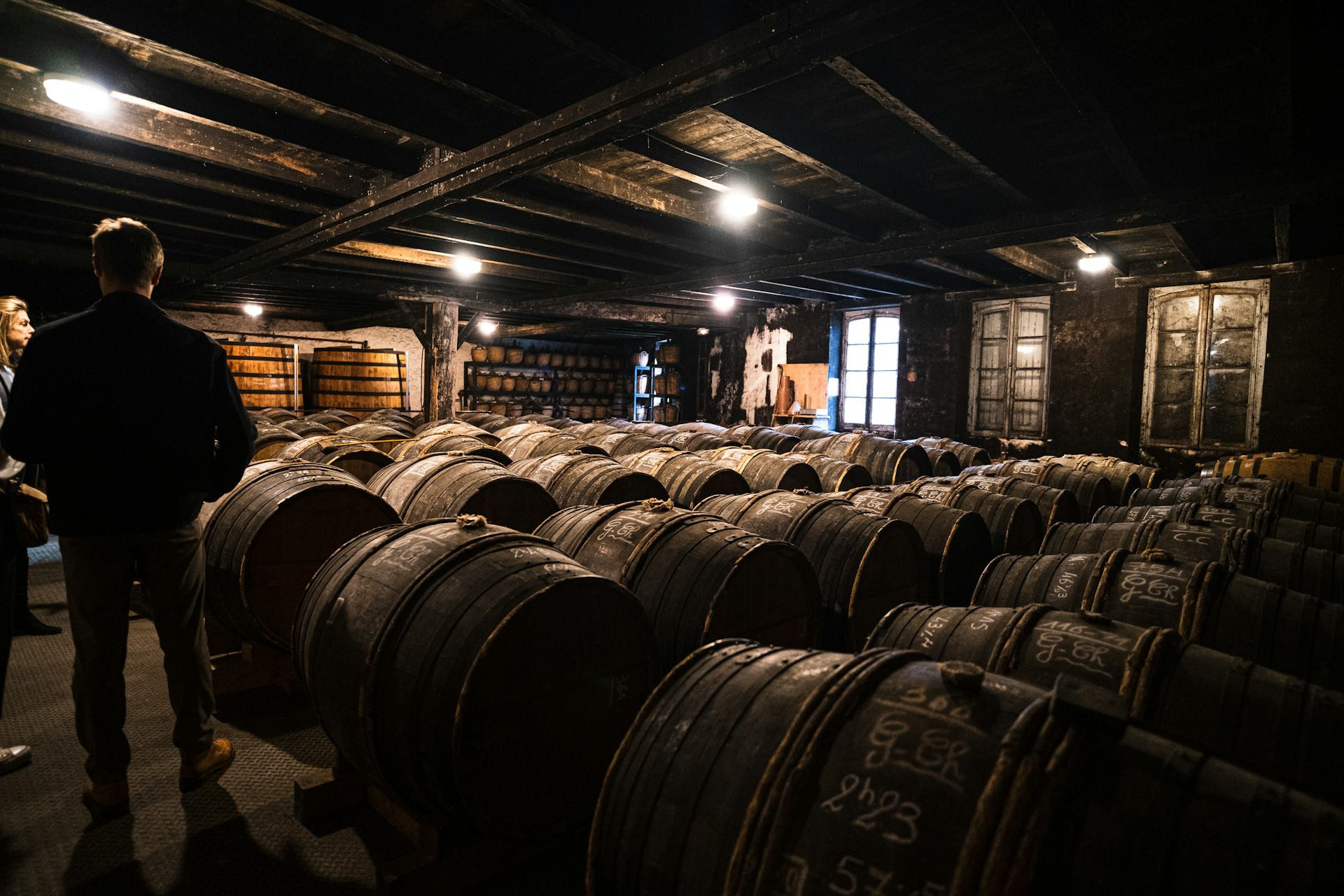
How to Store Wine Properly
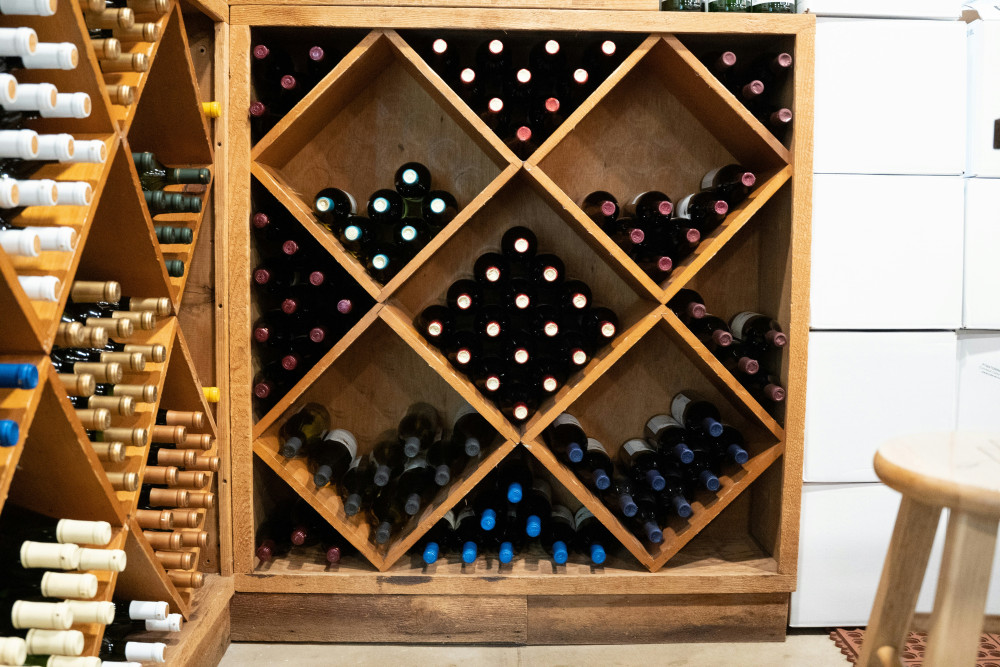
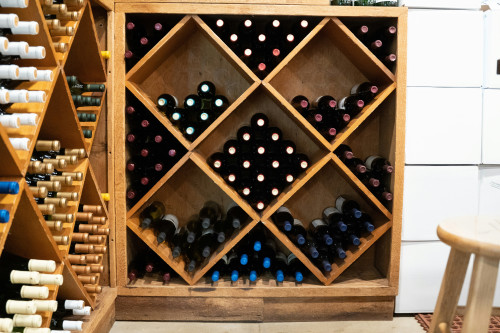
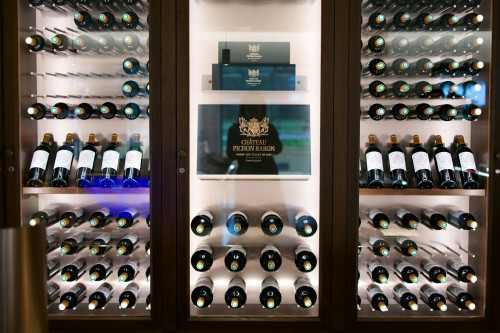
Even the finest wine can lose its charm if stored incorrectly. To give your bottles the best chance to age gracefully, pay attention to four essential factors:
- Temperature – Aim for around 55°F (12–14°C). Avoid fluctuations, which can stress the wine.
- Light – Keep wine in the dark. UV light can degrade aromas and cause “light-struck” flavors.
- Humidity – Around 60–70% humidity keeps corks from drying out and prevents air from seeping in.
- Stillness – Vibration can disturb the aging process, so avoid storing wine near appliances or heavy traffic areas.
If you don’t have a cellar, a dark closet or a wine fridge with stable temperature control can be a great alternative.
When Should You Open the Bottle?
The eternal question for wine lovers: when is the right time? There’s no universal formula, but a few guidelines can help:
- Producer recommendations – Many wineries provide a drinking window that indicates when the wine is expected to peak.
- Vintage conditions – Warm vintages tend to mature faster than cooler ones.
- Storage environment – A wine stored in warmer conditions will age more quickly than one kept cool and stable.
The best way to learn is by tasting. Buy multiple bottles of the same wine and open them over several years. You’ll experience firsthand how the wine evolves—and when it reaches its sweet spot.
Læs også:
Maturity Is Also About Personal Taste
While wine development can be described scientifically, maturity is ultimately a matter of personal preference. Some people love the youthful freshness and bright fruit of a young wine, while others prefer the earthy, savory complexity that only comes with age.
The most important thing is to discover what you enjoy. A “perfectly aged” wine for one person might feel tired to another. Wine maturity isn’t just about chemistry—it’s about emotion, atmosphere, and the moment when everything comes together.
A Journey Through Time and Flavor
Following a wine’s evolution over time is one of the most rewarding experiences for any wine enthusiast. Every bottle tells a story—shaped by grape variety, climate, craftsmanship, and patience. When you open a wine that has reached its maturity, you’re not just tasting fermented grapes; you’re tasting the year it was born, the soil it came from, and the time invested in its creation.
So next time you uncork a bottle you’ve been saving for years, take your time. Smell, taste, and feel how time has transformed it. That’s the true magic of wine—and perhaps the closest we come to drinking a piece of history.
Læs også: