Vaccinations and Lifestyle: Which Fit Your Pet’s Daily Routine?

Vaccinations and Lifestyle: Which Fit Your Pet’s Daily Routine?
Keeping your pet healthy isn’t just about good food and regular exercise – vaccinations play a key role too. But just like people, pets live different kinds of lives, and there’s no one-size-fits-all vaccination plan. An indoor cat has different needs than a hunting dog, and a rabbit that spends time outdoors faces other risks than one that lives inside. Here’s how you can tailor your pet’s vaccinations to fit their lifestyle and daily routine.
Why Vaccinations Matter
Vaccinations protect your pet from serious, often life-threatening diseases. They train the immune system to recognize and fight viruses and bacteria before they cause harm. Vaccines also help prevent the spread of disease between animals – and in some cases, from animals to humans.
Even though many diseases are rare today, that’s largely because vaccination rates remain high. When fewer pets are vaccinated, these diseases can quickly return. That’s why it’s important to follow a plan that fits your pet’s individual needs.
Cats: Indoors, Outdoors, or a Bit of Both?
A cat’s lifestyle has a big impact on which vaccines are most important.
- Indoor cats live protected lives and have a lower risk of exposure. Still, they should be vaccinated against feline distemper (panleukopenia) and upper respiratory viruses (herpesvirus and calicivirus), since these can be brought into the home on shoes, clothing, or new pets.
- Outdoor cats encounter other cats and wildlife, so they should also be vaccinated against feline leukemia virus (FeLV), which spreads through saliva and bites. In most U.S. states, rabies vaccination is required by law for all cats, even those that stay indoors.
- Cats in boarding facilities or shelters should have full vaccination coverage, as close contact increases the risk of infection.
An annual wellness exam is a great time to review your cat’s vaccination status and adjust as needed.
Dogs: From Couch Companion to Trail Explorer
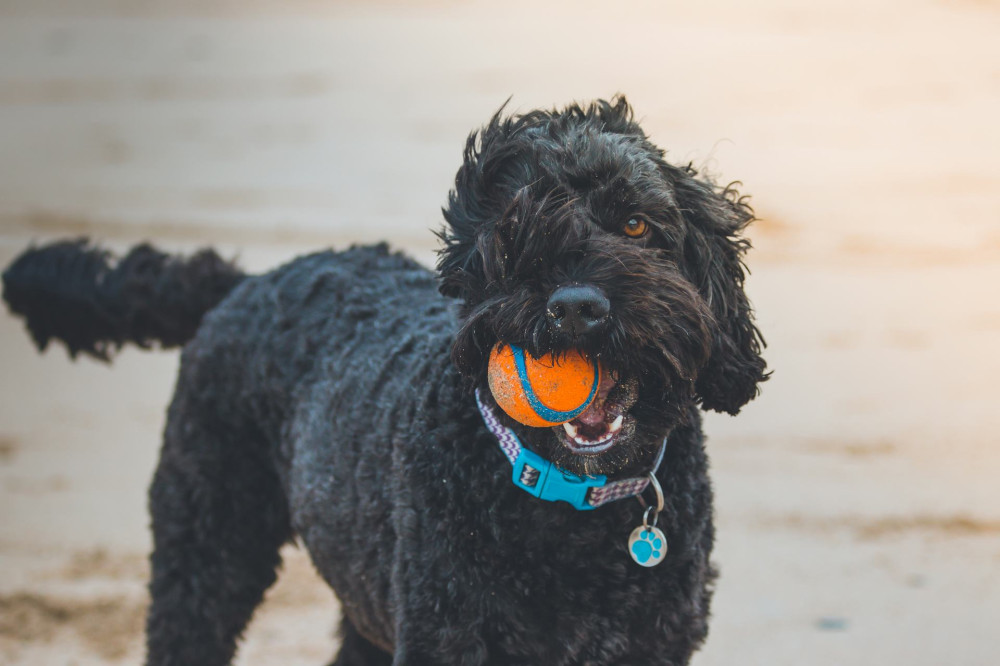
Dogs experience a wide range of environments, and that affects their vaccination needs.
- Family dogs, who mostly walk around the neighborhood, should be vaccinated against core diseases like distemper, parvovirus, adenovirus (hepatitis), and rabies. These remain present in the U.S. and can be deadly.
- Social dogs, who visit dog parks, training classes, or boarding kennels, should also receive the bordetella (kennel cough) vaccine, which protects against a highly contagious respiratory infection.
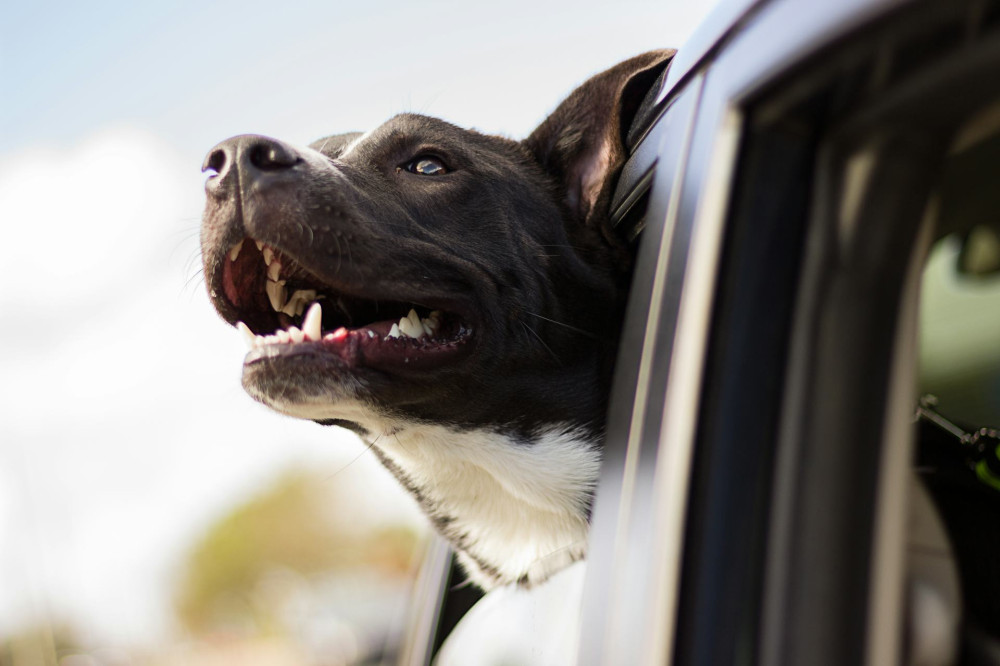
- Adventure or travel dogs, such as hunting dogs or those that swim in lakes and streams, may need additional protection against leptospirosis, a bacterial disease spread through water and wildlife. Dogs traveling across state lines or abroad may also need extra vaccines depending on destination and local risks.
Some vaccines require annual boosters, while others last several years. Your veterinarian can help design a schedule that keeps your dog protected without over-vaccinating.
Læs også:

Rabbits and Small Pets: Tiny but Important
While rabbits and small rodents often live indoors, they still face certain health risks. In the U.S., routine vaccinations for rabbits are not as common as in some other countries, but outdoor rabbits can be exposed to diseases carried by insects or wild animals. Good hygiene, parasite control, and regular vet checkups are essential.
For guinea pigs, hamsters, and other small pets, there are typically no standard vaccines, but maintaining a clean environment and monitoring for signs of illness are key to keeping them healthy.
Lifestyle, Environment, and Age All Matter
A pet’s vaccination needs change over time. Puppies and kittens require a series of core vaccines in their first months, while adult pets need periodic boosters. Senior pets may have weaker immune systems and could benefit from more frequent health checks.
Where you live also plays a role. Pets in urban areas face different risks than those in rural settings. Wildlife exposure, travel, and contact with other animals all influence which vaccines are most important. Discuss your pet’s environment and habits with your veterinarian to create a plan that fits.
Your Veterinarian: The Best Source of Guidance
There are many recommendations out there, but the best vaccination plan is one tailored to your individual pet. Your veterinarian can assess your pet’s age, health, lifestyle, and local disease risks to build a personalized schedule.
It’s also helpful to keep a simple health record noting vaccination dates, deworming treatments, and any illnesses. This makes it easier to stay organized and plan future visits.
A Healthy Pet Is a Happy Pet
Vaccinations are an investment in your pet’s well-being and your peace of mind. By matching their protection to their lifestyle, you’re giving them the best chance at a long, healthy, and happy life – whether they’re a curious outdoor cat, an energetic dog, or a calm rabbit in the backyard.
Læs også: