Spontaneous Adventures: Find Freedom on the Road with Lightweight Camping Options

Spontaneous Adventures: Find Freedom on the Road with Lightweight Camping Options
There’s something magical about hitting the road without a strict plan—just packing the essentials and letting the journey unfold. Spontaneous travel offers a sense of freedom that’s hard to match, where you can follow the weather, your mood, or a sudden spark of curiosity. But to make it work in practice, you need to think light, flexible, and practical—especially when it comes to where you’ll sleep. Here’s how to make spontaneous adventures possible with simple, mobile camping options.
Freedom in Simplicity
When you travel spontaneously, the goal is to be able to set up camp wherever it feels right—without relying on reservations or bulky gear. That means choosing options that are easy to carry, quick to set up, and comfortable enough for a good night’s rest.
Some of the most popular lightweight camping options include:
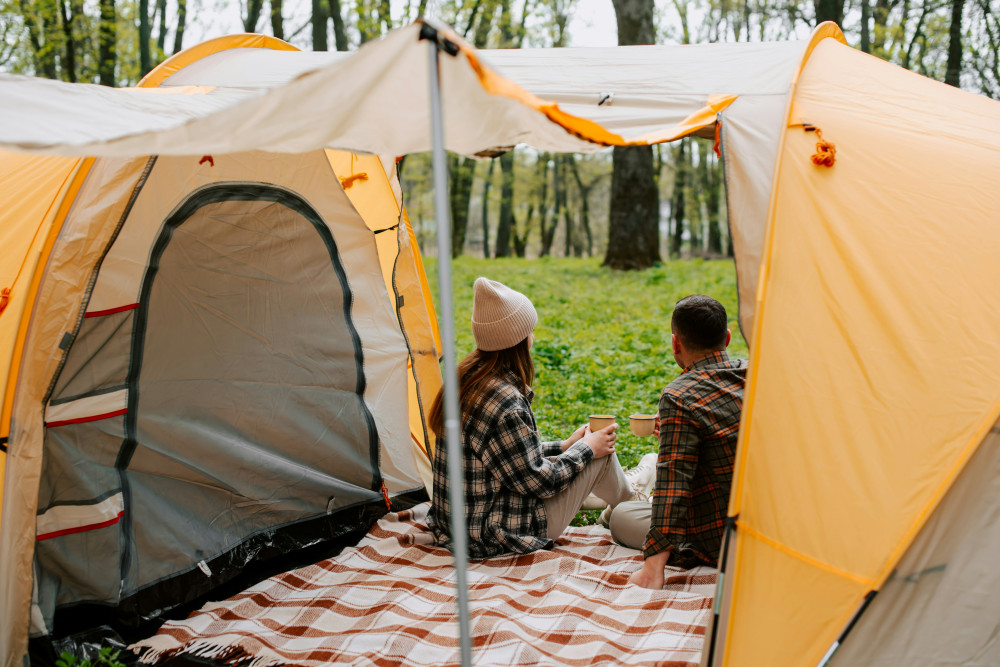
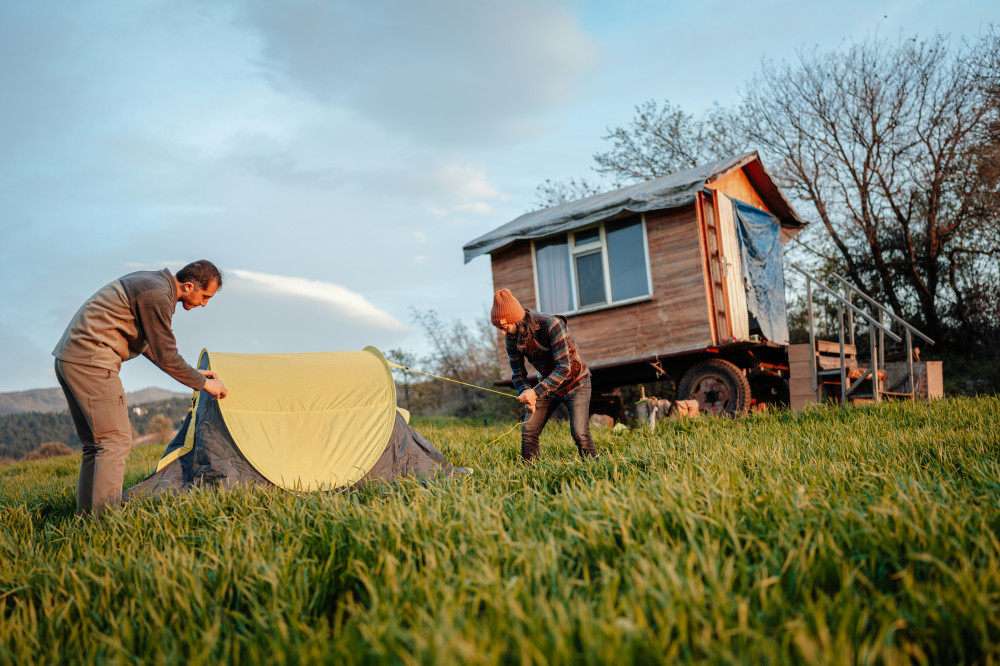
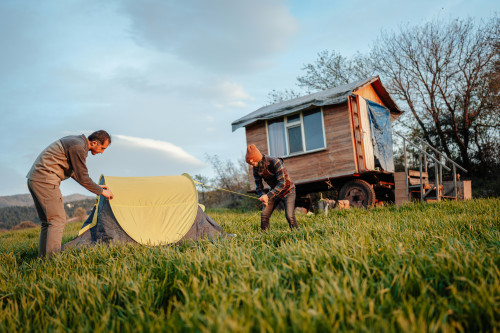
- Tent – The classic choice, now available in ultralight versions that pack down to just a few pounds. Perfect for road trips, bikepacking, or hiking.
- Hammock with bug net and rainfly – Ideal for wooded areas, letting you sleep suspended between trees and wake up to birdsong.
- Tarp or bivy sack – For the minimalist adventurer who wants to sleep close to nature and travel with almost no weight.
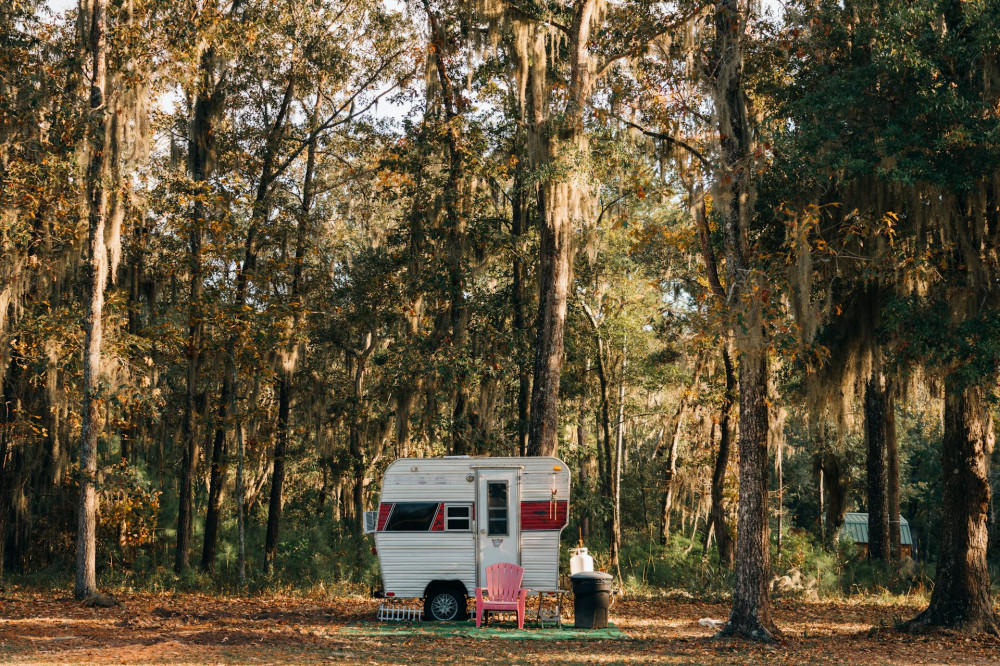
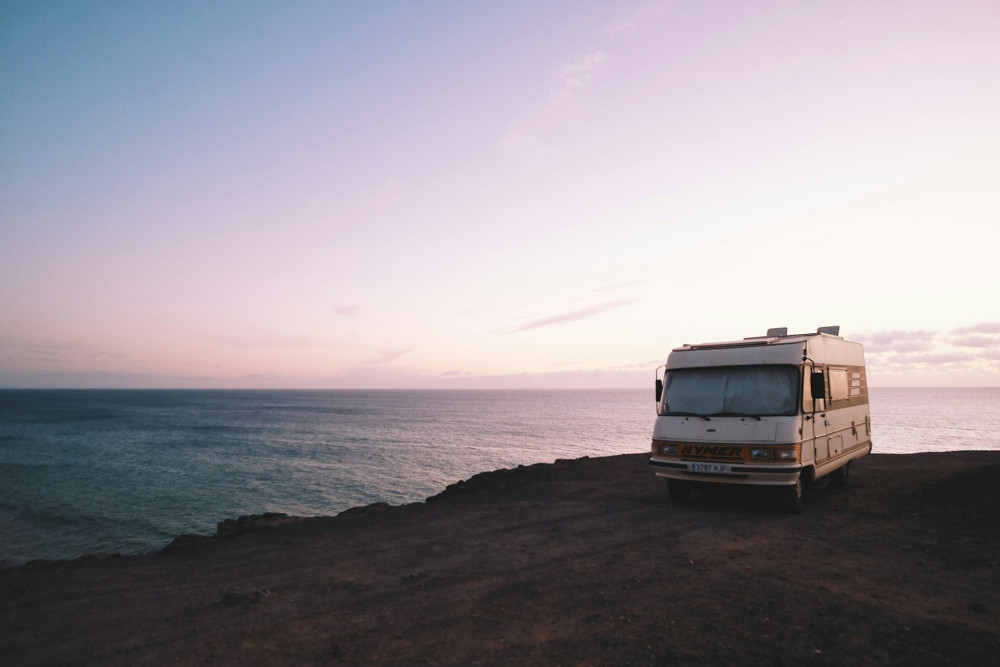
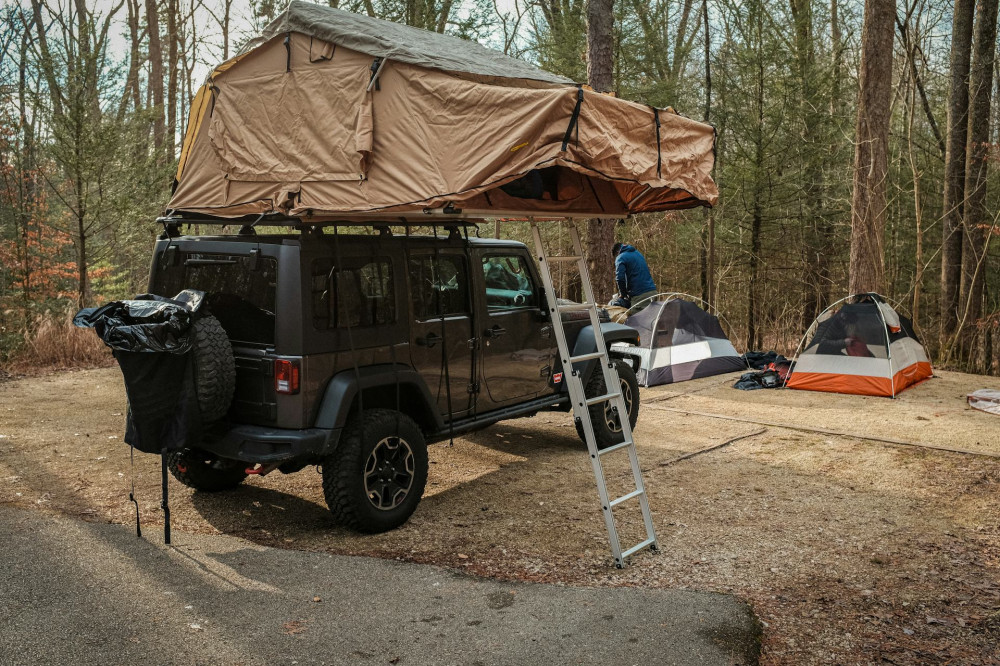
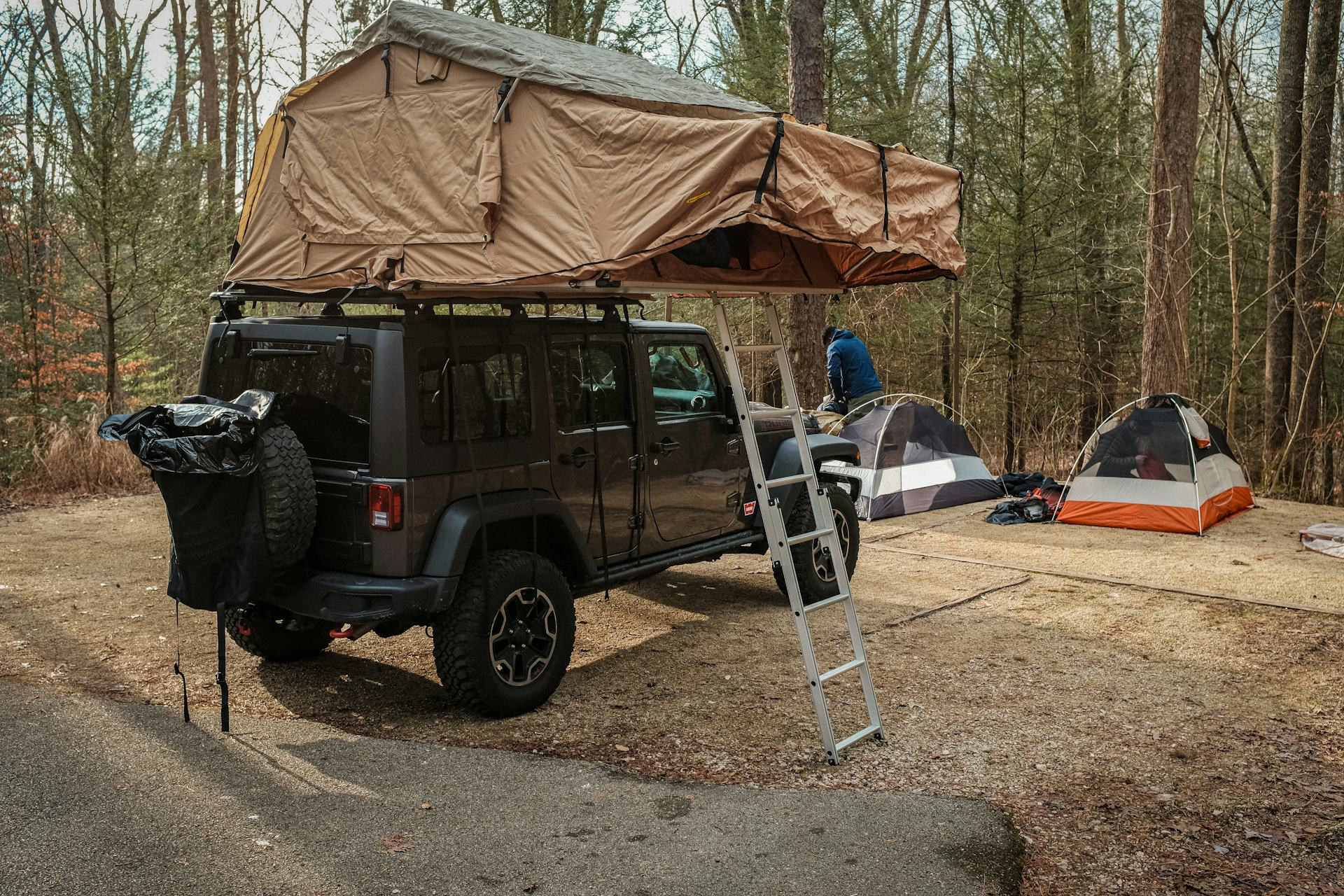
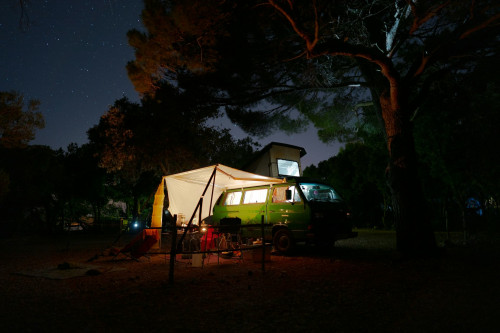
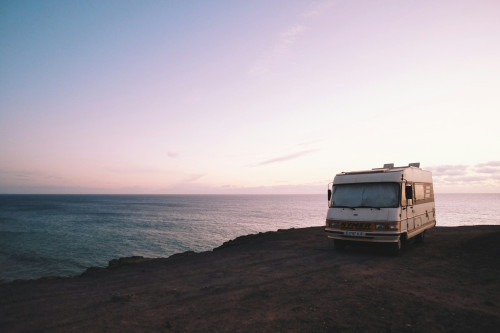
- Rooftop tent or micro-camper – Great for car travelers who want to combine mobility with comfort and a quick setup.
The key is to choose a setup that fits your travel style—and that you can handle on your own if you’re heading out solo.
Planning Without Overplanning
Even spontaneous trips benefit from a little preparation. Check the weather forecast, and have a general idea of the regions you’d like to explore. That way, you won’t end up searching for shelter in a downpour or scrambling for a place to sleep after dark.
Use maps or apps to find public lands, dispersed camping areas, or state and national forest campgrounds along your route. In the U.S., the Bureau of Land Management (BLM) and the U.S. Forest Service offer millions of acres where you can camp for free or for a small fee—perfect for travelers who value flexibility.
It’s also smart to have a “backup plan”—a few reliable spots you can head to if you don’t find a suitable site before nightfall.
Læs også:
Pack Light—and Smart
When you’re traveling spontaneously, being able to pack up quickly and move freely is a huge advantage. Think in terms of multi-use gear and lightweight materials. Here are a few essentials that make a big difference:
- Lightweight sleeping bag and pad – Choose based on the season and expected temperatures.
- Compact stove or camp cooker – A small gas burner and pot let you make coffee or a simple meal anywhere.
- Headlamp – Essential for setting up camp or finding your way after dark.
- Dry bags or waterproof stuff sacks – Keep electronics and clothes safe if the weather turns.
- Paracord and duct tape – Small items that can fix countless problems on the road.
The lighter you pack, the more flexible you become—and the easier it is to take a spontaneous detour when something catches your eye.
Camping with Respect for Nature
Freedom in the outdoors comes with responsibility. Whether you’re sleeping in a tent, hammock, or under the stars, always leave your campsite as you found it—or better. Pack out all trash, use existing fire rings, and keep noise to a minimum, especially at night.
If you’re camping on public land, follow local regulations: stay within designated areas, respect fire restrictions, and camp at least 200 feet from water sources. These small steps help preserve the wild spaces that make spontaneous travel so rewarding.
Spontaneity Without Stress
It might sound ironic, but the best spontaneous adventures happen when you don’t chase experiences too hard. Give yourself time to enjoy the unexpected—a stunning sunset, a friendly conversation at a roadside diner, or the quiet of a forest morning. Those unplanned moments often become the highlights of your trip.
If you’re traveling with others, stay open to changes. Maybe you’ll find a spot so perfect you decide to stay an extra night—or maybe the open road calls you onward. That’s the beauty of traveling without a rigid plan.
A New Way to Travel
Choosing lightweight camping options isn’t just about practicality—it’s a mindset. It’s about connecting more deeply with nature, learning to live with less, and finding joy in simplicity. You discover that freedom doesn’t come from having everything planned, but from trusting yourself to adapt along the way.
Whether you’re taking a weekend road trip through the Rockies or a cross-country journey from coast to coast, spontaneous adventures can bring a new sense of peace and presence. All it takes is the courage to let go of the plan—and the confidence that the road will show you the way.
Læs også: