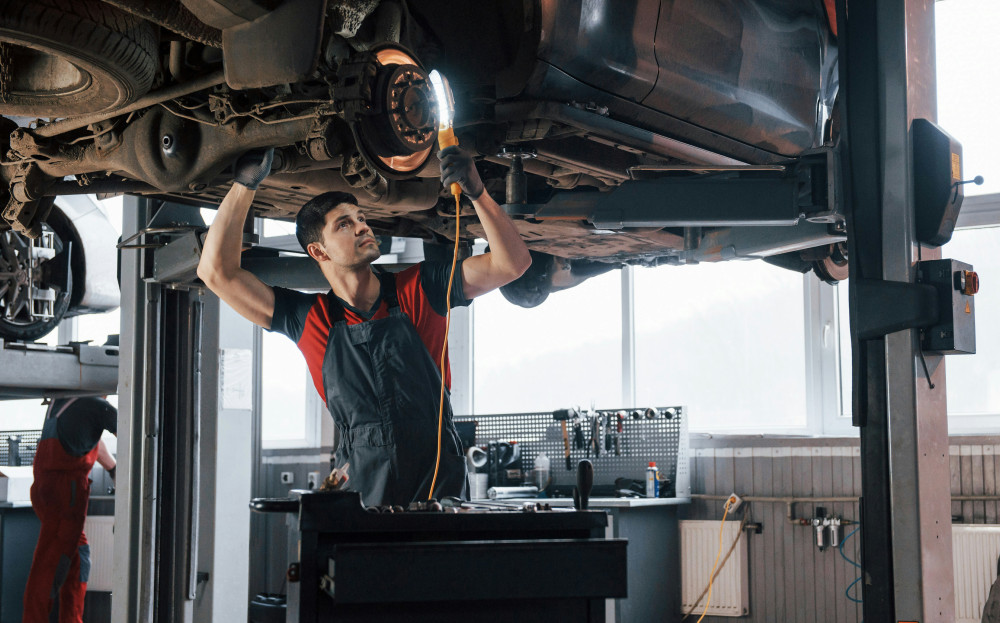
Shock Absorbers and Suspension: How to Spot Wear in Time

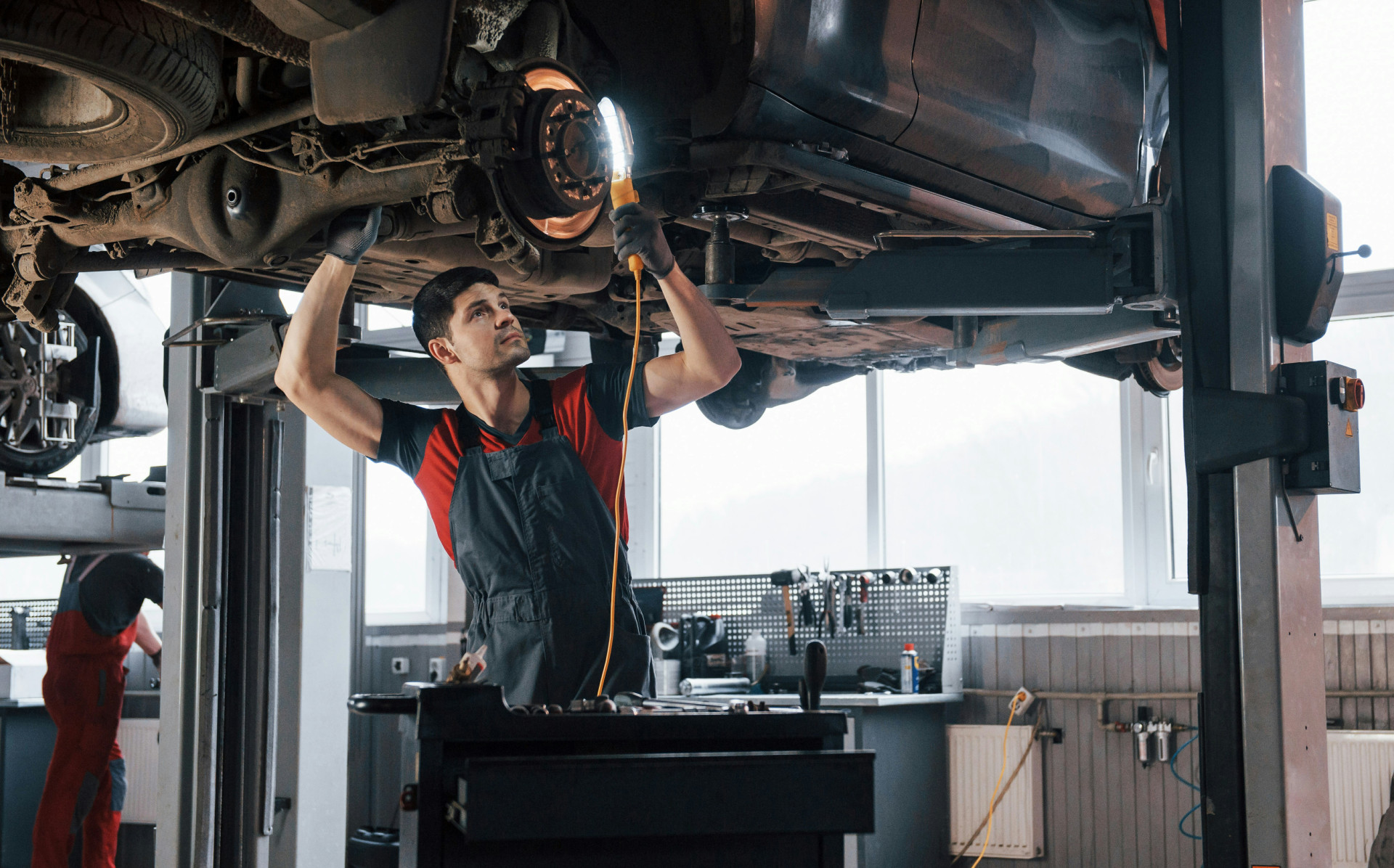
Shock Absorbers and Suspension: How to Spot Wear in Time
Shock absorbers and suspension components are among the most overlooked parts of a vehicle — yet they play a crucial role in both comfort and safety. They keep your tires in contact with the road and ensure your car remains stable when braking, cornering, or driving over rough surfaces. Wear happens gradually, and many drivers don’t notice it until handling and safety are already compromised. Here’s how to recognize the signs of wear early — and why it pays to act before problems escalate.
What Do Shock Absorbers and Suspension Do?
Your car’s suspension system includes springs, shock absorbers (or struts), and various linkages that work together to absorb bumps and maintain stability. The springs handle the major movements, while the shocks control how quickly those springs compress and rebound. Without properly functioning shocks, your car will bounce excessively, and the tires can lose grip during turns or sudden stops.
A healthy suspension system doesn’t just make for a smoother ride — it’s also a key part of your vehicle’s safety. Systems like ABS brakes and electronic stability control rely on consistent tire contact with the road to function effectively.
Common Signs of Wear
Shock absorbers and suspension parts wear out over time, especially if you frequently drive on rough roads, carry heavy loads, or tow a trailer. Here are some of the most common warning signs to watch for:
- Excessive bouncing or nose-diving when braking or accelerating.
- Uneven tire wear, especially if one side of the tire wears faster.
- Clunking or knocking noises from the corners of the car when driving over bumps.
- Poor steering stability — the car feels loose or drifts on the highway.
- Longer stopping distances and reduced traction in corners.
If you notice one or more of these symptoms, it’s a good idea to have your vehicle inspected by a qualified mechanic. They can determine whether your shocks, struts, or springs need replacement.
How to Test Your Shocks at Home
There’s a simple test you can try yourself: press down firmly on one corner of the car and release. If the vehicle bounces more than once, the shocks may be worn. Keep in mind, though, that this is only a rough indicator — modern vehicles often have complex suspension systems where wear isn’t always obvious through this test.
Another thing to check is oil leakage on the shock absorbers. If you see oily or greasy residue on the shock body, it’s a clear sign that the seals are leaking and the component should be replaced.
When Should You Replace Them?
There’s no universal rule, but most experts recommend having your shocks and struts inspected every 50,000 to 60,000 miles. If you frequently drive on rough terrain, carry heavy loads, or live in an area with harsh winters and salted roads, they may wear out sooner. Many U.S. repair shops offer free or low-cost suspension checks during routine maintenance — a small investment that can prevent bigger issues later.
The Risks of Driving with Worn Shocks
Ignoring worn shocks can lead to more than just an uncomfortable ride. Your car may lose traction, braking distances can increase, and the risk of hydroplaning rises. Worn suspension also causes faster tire wear and puts extra stress on other components like ball joints and bushings. In the long run, delaying repairs can cost far more than replacing the worn parts in time.
Preventive Care and Maintenance
While shocks and springs don’t require regular servicing, you can extend their lifespan with a few simple habits:
- Slow down for potholes, speed bumps, and rough roads.
- Avoid overloading your vehicle.
- Get a wheel alignment if you hit a curb or large pothole.
- Have your suspension inspected at every scheduled service.
By paying attention to early warning signs and scheduling regular checks, you can keep your car handling safely and comfortably for years to come.
Læs også:



A Small Effort with Big Benefits
Shock absorbers and suspension parts may not be the most visible components of your car, but they have a major impact on safety, comfort, and long-term costs. A quick inspection today can prevent expensive repairs and dangerous situations tomorrow. So if your car starts to feel different — a little bouncier, noisier, or less stable — take it as a signal. It might be time to give your suspension the attention it deserves.
Læs også: