Extend Your Gardening Season: Small Changes for More Green Months

Extend Your Gardening Season: Small Changes for More Green Months
When summer fades and the days grow shorter, it’s easy to think the gardening season is over. But with a few smart adjustments, you can keep your garden thriving well into fall—and even get a head start in spring. It’s all about creating microclimates, planning ahead, and making small practical changes that help your plants handle cooler weather.
Create Shelter and Warm Pockets
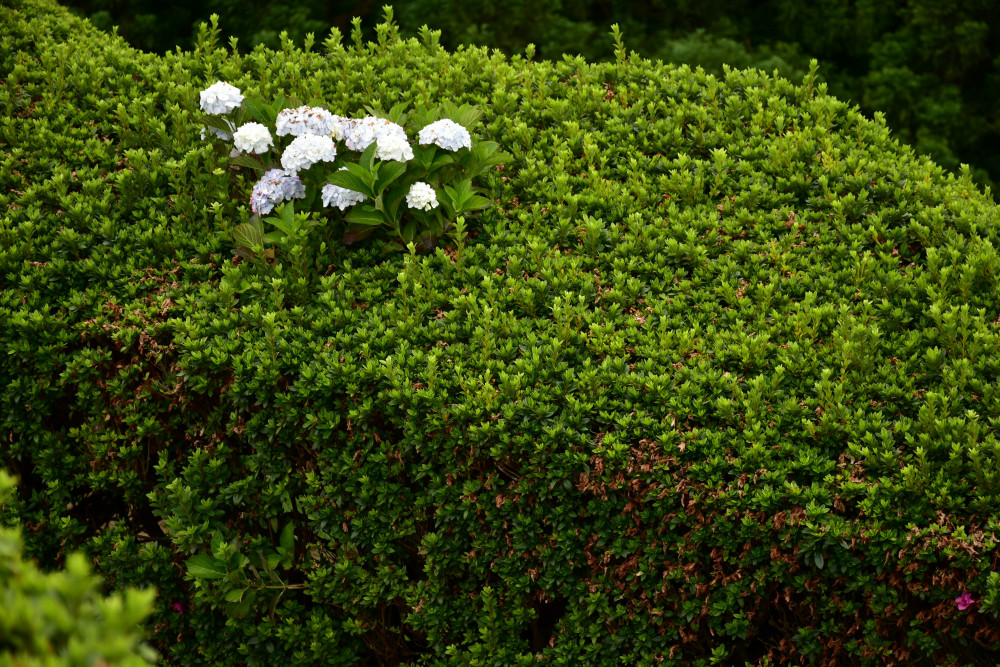
Wind and cold are the biggest challenges when you want to extend your gardening season. By creating shelter, you can raise the temperature in your garden by several degrees. A fence, hedge, or row of shrubs can act as a natural windbreak and create a more stable microclimate.
You can also use walls, raised beds, or greenhouses to trap warmth. Brick or stone walls absorb heat during the day and release it slowly at night—perfect for tender plants like tomatoes, peppers, and basil. Place containers near your house or patio wall, where they’ll benefit from both warmth and protection.
Choose Cool-Weather Crops
One of the easiest ways to stretch your growing season is to plant varieties that thrive in cooler temperatures. Many vegetables and flowers do well in fall if they get a bit of protection.
- Vegetables: Kale, spinach, carrots, beets, and leeks can be harvested well into winter in many regions.
- Flowers: Pansies, ornamental cabbage, and violas add color even as frost approaches.
- Herbs: Thyme, rosemary, and parsley often survive mild winters, especially if sheltered from wind.
By sowing in stages—such as planting lettuce and spinach in late summer—you can enjoy fresh harvests right up to Thanksgiving in many parts of the country.
Use Covers and Mini Greenhouses
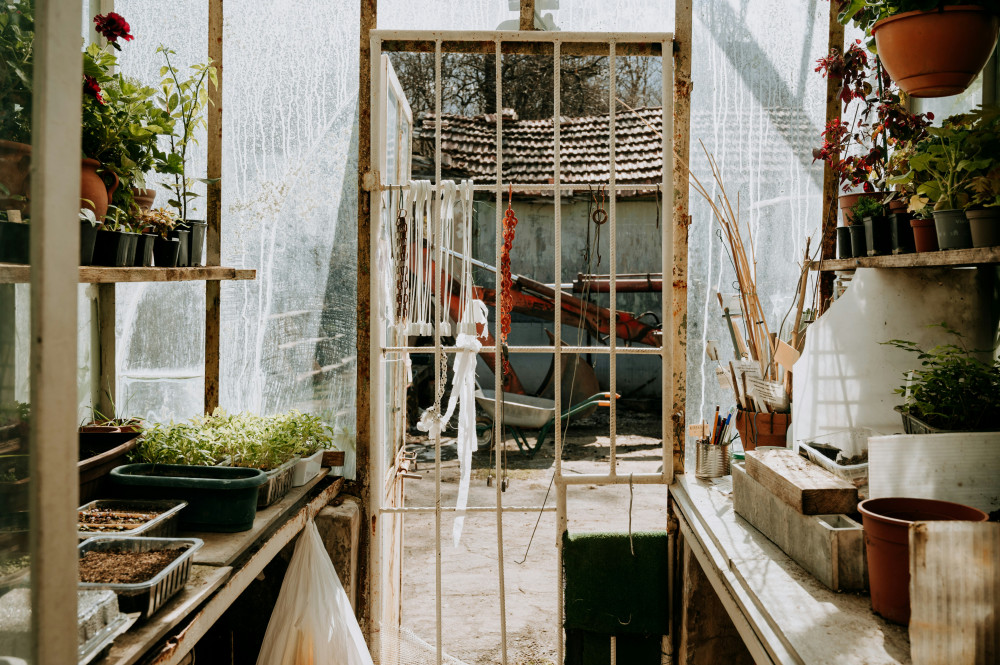
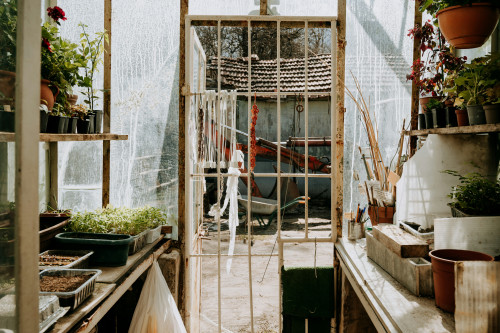
A simple layer of protection can make a big difference. Floating row covers, plastic tunnels, or small greenhouses help retain warmth and shield plants from wind and rain. They’re useful both in spring for early planting and in fall to extend your harvest.
If you grow in raised beds, you can easily add hoops made from PVC pipe and drape fabric or plastic over them. This creates a cozy microclimate where plants can thrive longer. Just remember to ventilate on sunny days to prevent excess moisture and mold.
Give Your Soil a Head Start
Healthy, warm soil is key to a long gardening season. In fall, cover your beds with compost, leaves, or straw—this protects against frost and improves soil structure. When spring arrives, the soil will be easier to work and will warm up faster.
You can also pre-warm the soil in early spring by covering it with black plastic or old windows. This allows you to plant earlier and get a jump on the growing season.
Læs også:

Think Flexible
Containers, raised planters, and movable beds let you adapt your garden to the changing seasons. As temperatures drop, you can move tender plants closer to the house or into a greenhouse. That way, you can enjoy greenery and blooms longer without starting from scratch each year.
Consider investing in a small greenhouse or cold frame. It doesn’t have to be large—even a few square feet can provide fresh greens and herbs when the rest of the garden is resting.
Enjoy Your Garden Year-Round
Extending your gardening season isn’t just about growing longer—it’s about enjoying your outdoor space for more months of the year. A few string lights, a blanket, and a warm drink can turn a crisp fall evening in the garden into a cozy retreat.
With a bit of creativity and planning, you can create a garden that stays alive—and brings you joy—almost all year long.
Læs også: