Changing Food Traditions: When Generations Give Classic Recipes New Life

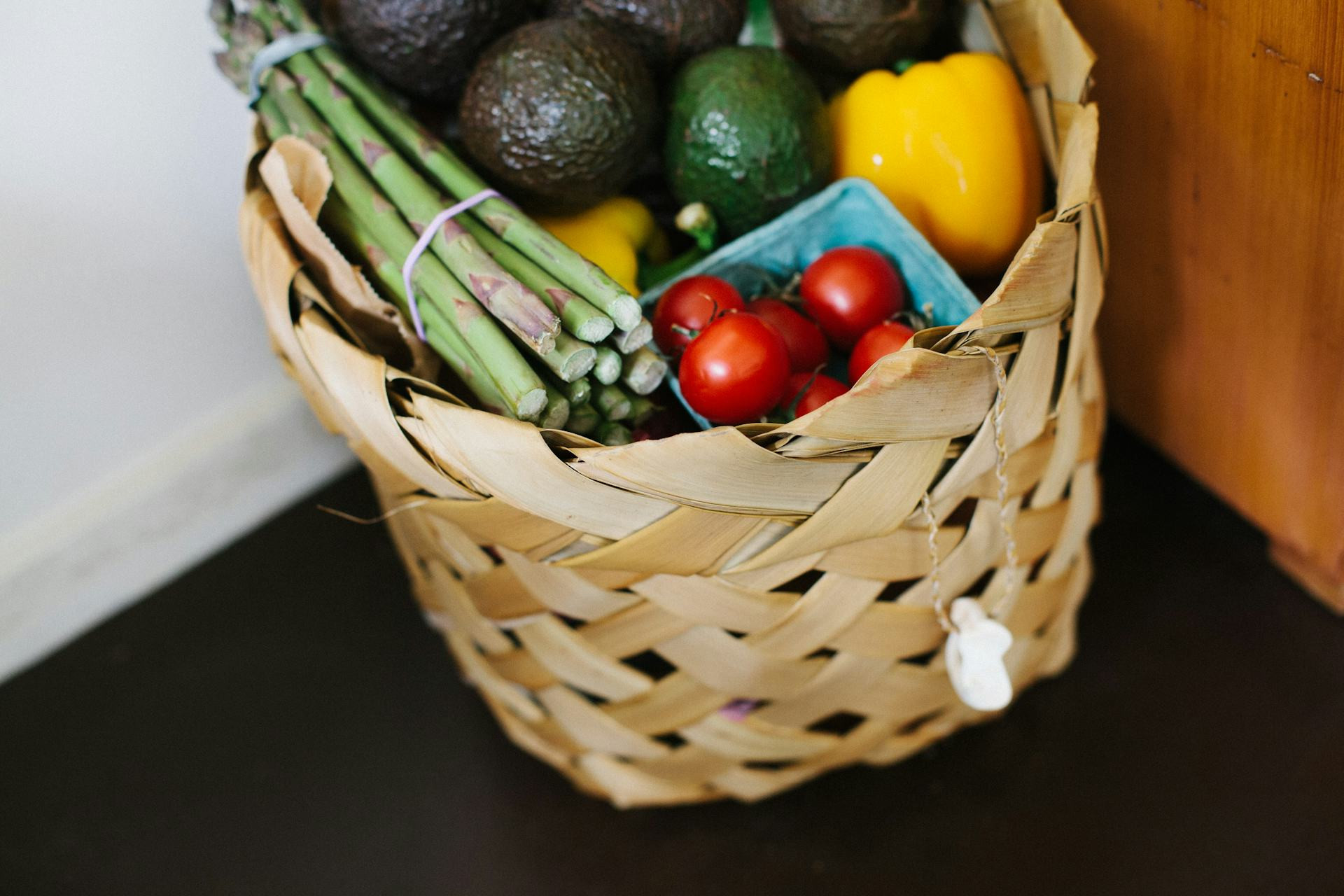
Changing Food Traditions: When Generations Give Classic Recipes New Life
Food is more than fuel – it’s memory, identity, and connection. Across the United States, families treasure recipes that have been passed down for decades: Grandma’s apple pie, Dad’s secret barbecue sauce, or the Thanksgiving stuffing that no one else can quite replicate. But as society changes, so do our eating habits. New generations are taking these beloved dishes and giving them a modern twist.
Traditions That Bring Us Together
Food traditions act as a bridge between generations. When we cook a dish our parents or grandparents once made, we’re not just recreating flavors – we’re reviving stories, emotions, and shared experiences. The smell of cornbread baking or chili simmering on the stove can instantly transport us back to childhood kitchens and family gatherings.
Yet traditions aren’t meant to stay frozen in time. They survive because they evolve. Today, a classic like fried chicken might be air-fried instead of deep-fried, or mac and cheese might feature whole-grain pasta and a sprinkle of smoked paprika. The essence remains, but the details shift with the times.
New Generations, New Values
Younger Americans approach food differently than their grandparents did. Where earlier generations focused on feeding large families on a budget, today’s cooks often think about sustainability, health, and global inspiration. Many are cutting back on meat, reducing food waste, and exploring plant-based or locally sourced ingredients.
That doesn’t mean they’re abandoning tradition – quite the opposite. They’re reimagining it. A Southern gumbo might be made with mushrooms instead of sausage, or a family chili recipe might swap beef for lentils. These updates keep the spirit of the dish alive while reflecting modern values and tastes.
When Technology Meets Tradition
Technology has transformed how we share and preserve recipes. What once lived in handwritten cards tucked into recipe boxes now circulates on social media, food blogs, and video tutorials. This digital exchange makes it easier to keep family recipes alive – and to adapt them for new generations.
Younger cooks often learn techniques from YouTube or TikTok that their grandparents once demonstrated in person. Meanwhile, older family members can take pride in seeing their cherished dishes go viral online, perhaps with a dash of sriracha or a dairy-free twist. The kitchen has gone digital, but the heart of cooking – creativity and connection – remains the same.
Læs også:
Cooking as a Family Project
In many American households, cooking has become a shared experience across generations. Grandparents teach grandchildren how to roll out pie crusts, while the younger ones introduce new spices or cooking gadgets. These moments create more than just good meals – they spark conversations about heritage, values, and change.
When generations cook together, they exchange more than recipes. The elders bring wisdom and tradition; the younger ones bring curiosity and innovation. Together, they create a food culture that honors the past while embracing the future.
A Living Food Culture
Food traditions evolve because life evolves. New ingredients, travel experiences, and environmental awareness all shape how we eat. But the old recipes don’t disappear – they adapt. They’re rewritten, reinterpreted, and passed on in new forms.
When we give classic dishes new life, we’re not letting go of the past; we’re keeping it alive in a way that fits today’s world. In that blend of memory and invention, American food culture continues to thrive – and the taste of Grandma’s kitchen still lingers, even in the most modern of meals.
Læs også: