Breaks and Overnight Stays on Your Bike Trip – How to Find the Right Balance Between Speed and Rest

Breaks and Overnight Stays on Your Bike Trip – How to Find the Right Balance Between Speed and Rest
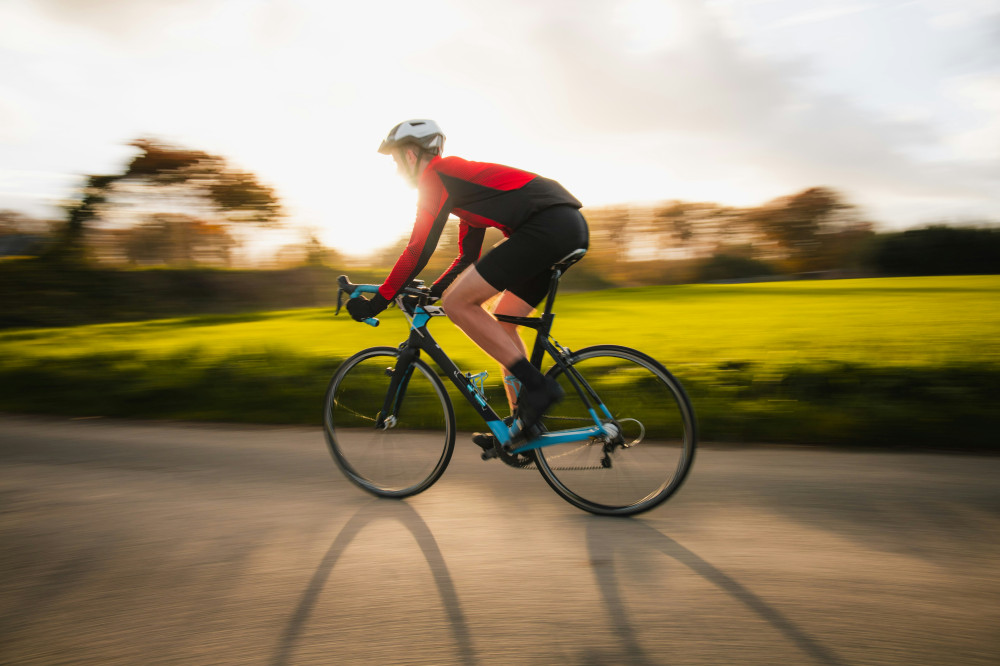
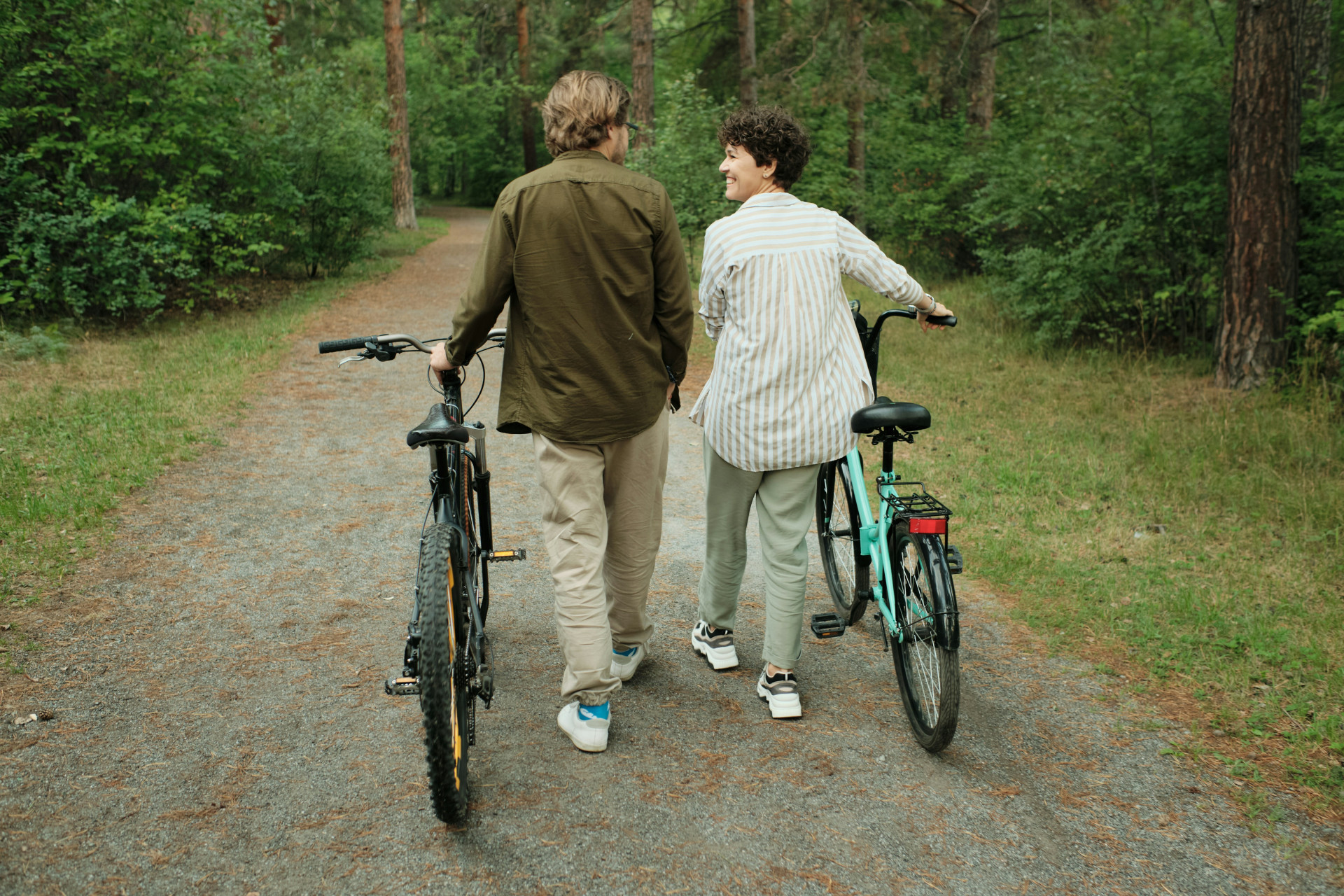
A bike trip isn’t just about reaching your destination – it’s about enjoying the journey. Whether you’re planning a weekend ride along the Pacific Coast Highway, a cross-state adventure, or a multi-week tour across the country, finding the right balance between speed and rest is key to making the experience rewarding. For many cyclists, it’s the breaks and overnight stops that turn a ride into a true adventure. Here’s how to find your rhythm between pedaling hard and giving your body – and mind – the rest they need.
Know Your Pace – and Plan Around It
The first step toward a balanced trip is understanding your own pace. How far can you comfortably ride in a day without pushing yourself to exhaustion? For most touring cyclists, a daily distance of 30–60 miles is manageable, depending on terrain, weather, and how much gear you’re carrying.
If you’re new to multi-day rides, start conservatively. It’s better to finish the day with energy to spare than to burn out early. Remember, cycling day after day requires recovery time, even if you feel strong after the first leg.
Create a route plan, but keep it flexible. That way, you can linger at a scenic overlook, take an unplanned detour, or stop early if your legs are telling you to.
Breaks Along the Way – More Than Just a Rest
Breaks aren’t just about catching your breath. They’re an essential part of the experience. Use them to stretch, hydrate, and refuel – but also to take in the surroundings.
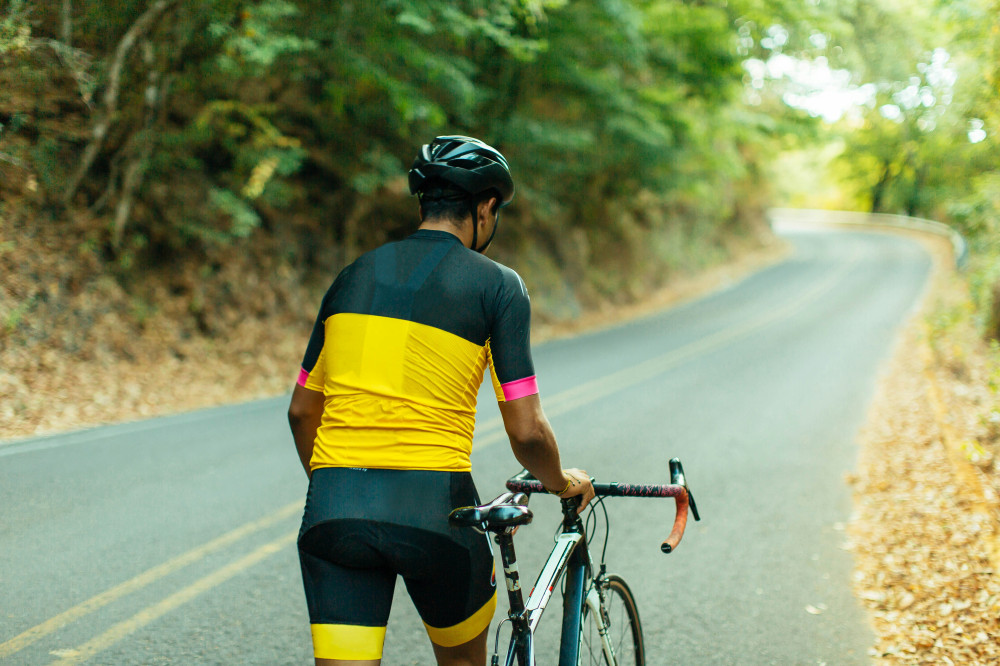
A good rule of thumb is to take a short break every hour or so. Even five minutes off the saddle can help prevent stiffness and fatigue. Plan longer breaks around lunchtime or at points of interest along your route.
If you’re riding in hot weather, avoid the peak midday sun. Take a longer rest in the shade, grab a cold drink, or even dip your feet in a stream before continuing when the temperature drops.
Overnight Stays – Choose the Style That Fits You
Where you sleep each night can make a big difference in how well you recover. The U.S. offers a wide range of options for cyclists, depending on your style and budget:
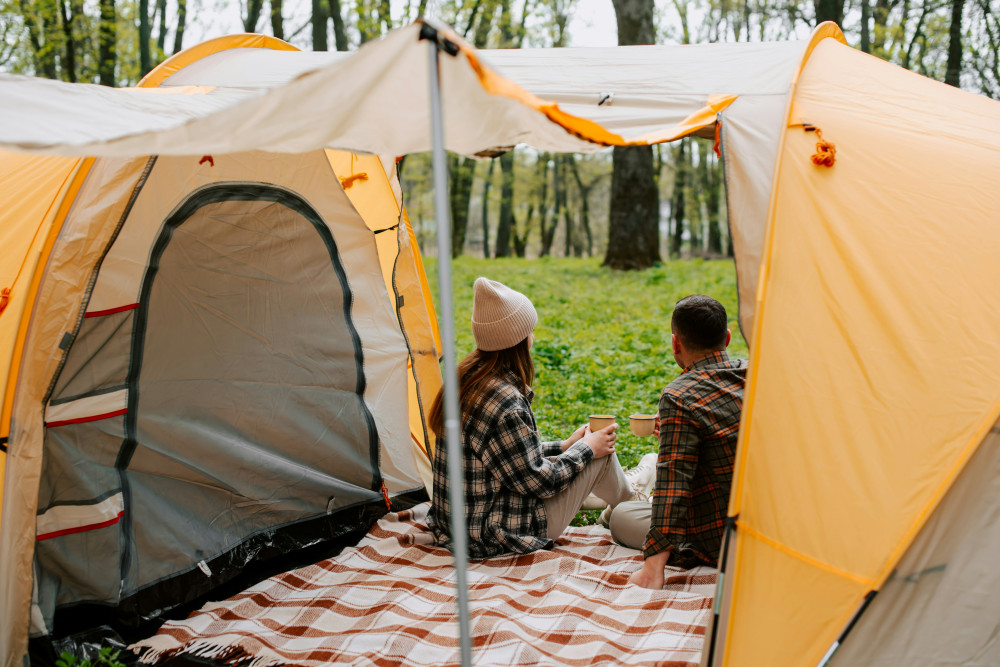
- Camping – Perfect for those who love freedom and nature. Many state and national parks have hiker-biker sites that don’t require reservations and cost just a few dollars.
- Warmshowers or hostels – Great for meeting fellow cyclists and travelers. The Warmshowers network connects touring cyclists with hosts who offer a place to stay, often for free.
- Motels and B&Bs – Ideal if you want a comfortable bed, a hot shower, and maybe a hearty breakfast before hitting the road again.
- Campgrounds and RV parks – Many have tent sites, showers, and laundry facilities, and some even cater specifically to cyclists.
Whatever you choose, plan ahead during busy travel seasons. Knowing where you’ll sleep each night helps you relax and enjoy the ride.
Food, Hydration, and Recovery
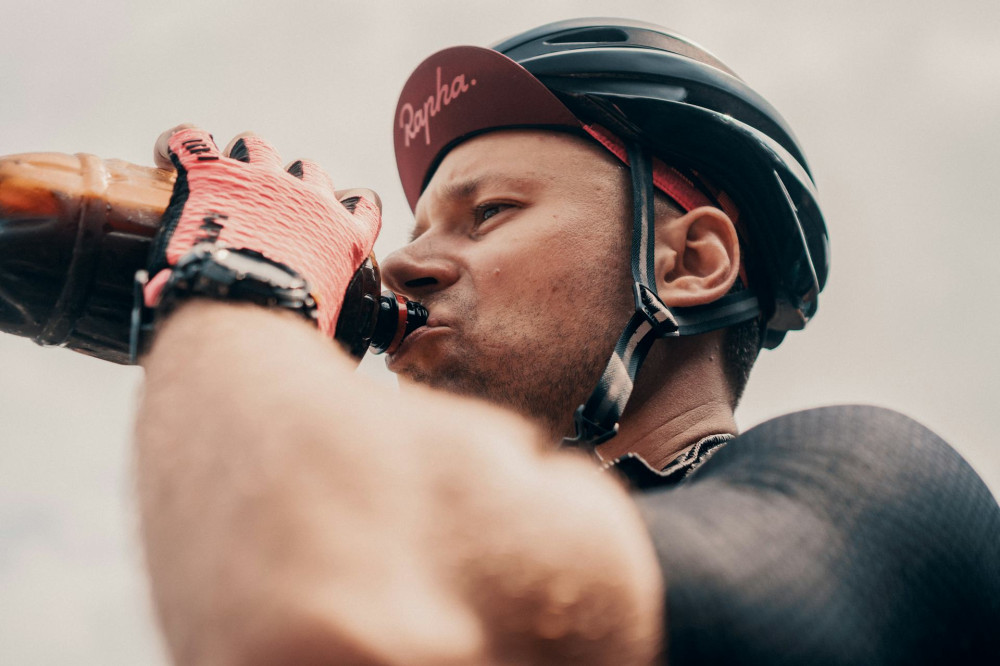
Fueling your body properly is just as important as pedaling. Eat regularly – small meals and snacks throughout the day work better than a few large ones. Always carry water and refill whenever you can, especially in remote areas where services are sparse.
After a long day, focus on recovery foods that combine carbohydrates and protein to help your muscles rebuild. A simple pasta dish, a burrito, or even a peanut butter sandwich can do wonders.
And don’t underestimate the power of sleep. Bring earplugs if you’re camping near a busy road or under the stars, and make sure your sleeping setup is warm and comfortable enough for the conditions.
Læs også:

Listen to Your Body – and the Road
One of the greatest joys of bike touring is how close you get to nature and your own rhythm. But that also means paying attention – to your surroundings and to yourself. If you feel fatigue, soreness, or irritation setting in, take a break. It’s better to stop an hour early than to push too far and risk injury.
Use your breaks to check in with yourself: Are you hungry, thirsty, or just in need of a moment to breathe? Finding balance isn’t about riding the fastest – it’s about being present in the experience.
Make the Trip Your Own
There’s no single “right” way to take a bike trip. Some riders love to plan every detail, while others prefer to see where the road leads. The key is to find a rhythm that suits you.
Maybe your goal is to challenge yourself physically, or maybe it’s to disconnect from daily life and enjoy the open road at your own pace. Either way, remember that breaks and overnight stays aren’t interruptions – they’re part of the journey itself.
Læs også: