Blackjack for Beginners: How to Know When to Hit, Stand, Double, or Split


Blackjack for Beginners: How to Know When to Hit, Stand, Double, or Split
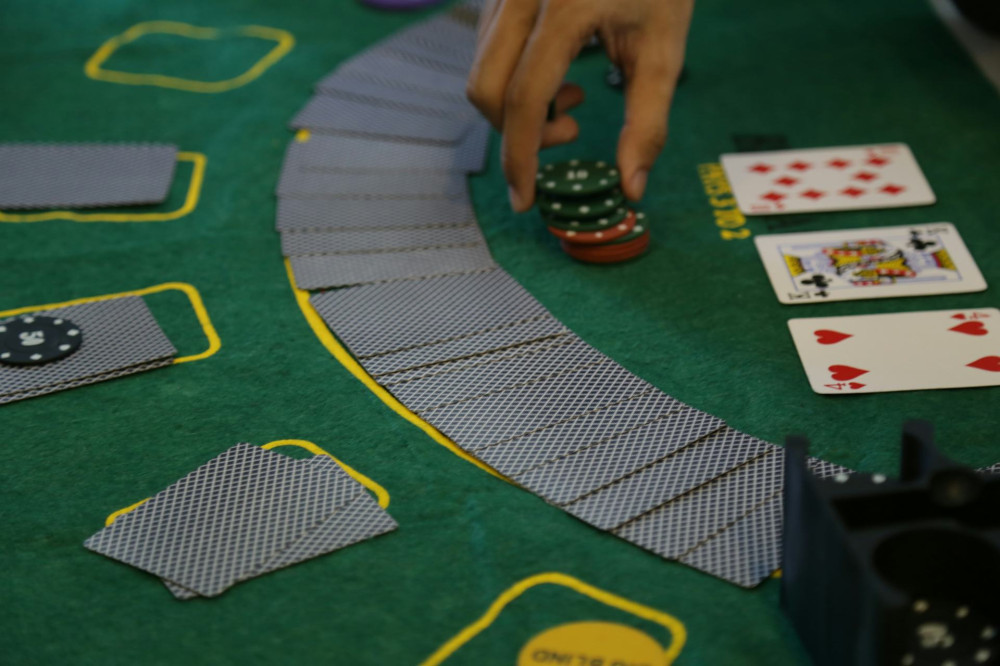
Blackjack is one of the most popular casino games in the United States—both in Las Vegas and online. It’s a game that blends luck and strategy, and while the rules are simple, making the right decisions takes some practice. For beginners, the key is knowing when to hit, stand, double down, or split. This guide will walk you through the basics so you can play smarter and improve your odds at the table.
The Basics in a Nutshell
The goal of blackjack is to get as close to 21 as possible without going over. You’re playing against the dealer, not the other players. Cards 2 through 10 are worth their face value, face cards (Jack, Queen, King) are worth 10, and Aces can count as either 1 or 11—whichever benefits your hand the most.
After you receive your first two cards, you’ll need to decide what to do next: take another card (hit), keep your current hand (stand), double your bet and take one more card (double down), or split your cards into two hands if you have a pair. Each choice affects your chances of winning, which is why understanding basic strategy is so important.
When to Hit
Hitting means asking the dealer for another card to improve your hand. As a general rule, you should hit when your total is low—usually 11 or less—since you can’t bust with one more card.
However, your decision should also depend on the dealer’s upcard. If the dealer shows a strong card (7, 8, 9, 10, or Ace), you’ll often need to take more risks and hit until you reach a stronger total. If the dealer shows a weak card (2 through 6), it’s often better to play conservatively and let the dealer risk going bust.
For example, if you have 12 and the dealer shows a 2 or 3, hitting is usually the right move. But if the dealer shows a 5 or 6, standing might be smarter—you’ll give the dealer a chance to bust.
When to Stand
Standing means you’re satisfied with your hand and don’t want any more cards. You’re betting that your current total will beat the dealer’s. In general, you should stand on 17 or higher, especially if the dealer shows a weak card.
There are exceptions, though. If you have a “soft” hand (a hand that includes an Ace counted as 11), you can afford to be more flexible. For instance, with a soft 18 (Ace + 7), you might hit if the dealer shows a 9, 10, or Ace, since you can’t bust immediately and might improve your hand.
Learning the difference between “hard” and “soft” hands is essential to making smart blackjack decisions.
When to Double Down
Doubling down means you double your original bet and receive exactly one more card. It’s a bold move that can pay off big when used correctly.
A good rule of thumb is to double down when you have 10 or 11 and the dealer shows a lower card (2 through 9). You have a strong chance of drawing a card that brings you close to 21, while the dealer is more likely to end up with a weaker hand.
For example, if you have 11 and the dealer shows a 6, that’s a classic time to double down. You’re increasing your bet, but also your potential reward.
When to Split
If you’re dealt two cards of the same value, you can split them into two separate hands. This means you’ll play two hands at once, placing an additional bet equal to your original one.
Splitting can be a powerful strategy, but it depends on which cards you have. As a general rule, always split Aces and 8s. Two Aces give you a chance to start two strong hands, and two 8s (which total 16) form one of the weakest hands in blackjack if you don’t split.
On the other hand, never split 10s or 5s. Two 10s give you 20—a nearly unbeatable hand—and two 5s (totaling 10) are better used for doubling down than splitting.
Læs også:




Use a Basic Strategy Chart
While blackjack involves luck, you can significantly improve your odds by following a “basic strategy.” This is a mathematically proven set of guidelines that tells you the best move to make in every possible situation, based on your hand and the dealer’s upcard.
Many U.S. casinos allow players to use a small strategy card at the table, and you can easily find printable versions online. It might seem complicated at first, but with a little practice, the patterns become second nature.
Play Responsibly
Blackjack is exciting and fast-paced, but it’s still gambling. Always set a budget before you play and stick to it. Don’t chase losses, and remember that the goal is to have fun, not to make money.
If you’re new to the game, try free online blackjack versions first. They’re a great way to practice and learn the rules without risking real cash.
A Game of Skill and Chance
Blackjack is one of the few casino games where strategy truly matters. By learning when to hit, stand, double, or split, you’ll make smarter decisions and play with more confidence. You can’t control the cards you’re dealt—but you can control how you play them. And that’s what makes blackjack such a timeless and fascinating game.
Læs også: