Avoid Costly Surprises: Plan Your Hunting Trip Carefully

Avoid Costly Surprises: Plan Your Hunting Trip Carefully
A hunting trip can be the adventure of a lifetime—whether you dream of elk in the Rockies, whitetail in the Midwest, or a safari on the African plains. But without careful planning, that dream can quickly turn into an expensive and frustrating experience. From licenses and logistics to gear and insurance, there are many details to get right. Here’s how to plan your hunting trip so you can focus on the experience, not the unexpected costs.
Choose Your Destination Wisely
Before you book anything, think about what kind of hunt you really want. Are you after a challenging backcountry experience, a guided lodge hunt, or a relaxed weekend on private land? Different regions offer very different opportunities—and price ranges.
- Western States: Colorado, Montana, and Wyoming are famous for elk, mule deer, and pronghorn. Expect rugged terrain and the need for physical preparation.
- Midwest and South: Whitetail deer, turkey, and waterfowl are abundant. Many outfitters offer comfortable lodges and guided hunts.
- Alaska: A true wilderness experience with moose, caribou, and bear—but also higher costs and complex logistics.
- International Hunts: Africa, New Zealand, and Canada offer unique species and experiences, but require extra attention to permits, travel, and trophy import rules.
Always research local hunting regulations, seasons, and tag systems. If you’re booking through an outfitter, choose one with solid references and experience in the area.
Budget Beyond the Trip Price
Many hunters focus on the cost of the hunt itself but forget about the extras that can add up quickly. Make sure you understand what’s included in your package—and what’s not.
Common additional expenses include:
- License and tag fees
- Gratuities for guides and staff
- Meat processing and shipping
- Trophy preparation and taxidermy
- Travel costs, baggage fees, and firearm transport
- Extra days or unexpected weather delays
Build a realistic budget and include a buffer for surprises. It’s better to come home under budget than to face a bill you didn’t expect.
Permits and Paperwork
Paperwork may not be exciting, but it’s essential for a smooth trip. Make sure you have all necessary documents in order well before departure.
- Hunting licenses and tags: Apply early, especially for limited-draw hunts.
- Firearm transport: Check airline and TSA regulations for firearms and ammunition. If traveling abroad, research import/export requirements.
- Hunter education proof: Many states require a hunter safety certificate, even for nonresidents.
- Trophy import/export documents: For international hunts, CITES permits may be required for certain species.
If you’re using an outfitter, they can often help with the paperwork—but ultimately, the responsibility is yours.
Gear and Preparation
The right gear can make or break your hunt. Consider the terrain, climate, and type of game when packing.
- Clothing: Dress in layers suitable for the weather. In mountain regions, temperatures can swing dramatically.
- Optics: A quality scope and binoculars are essential.
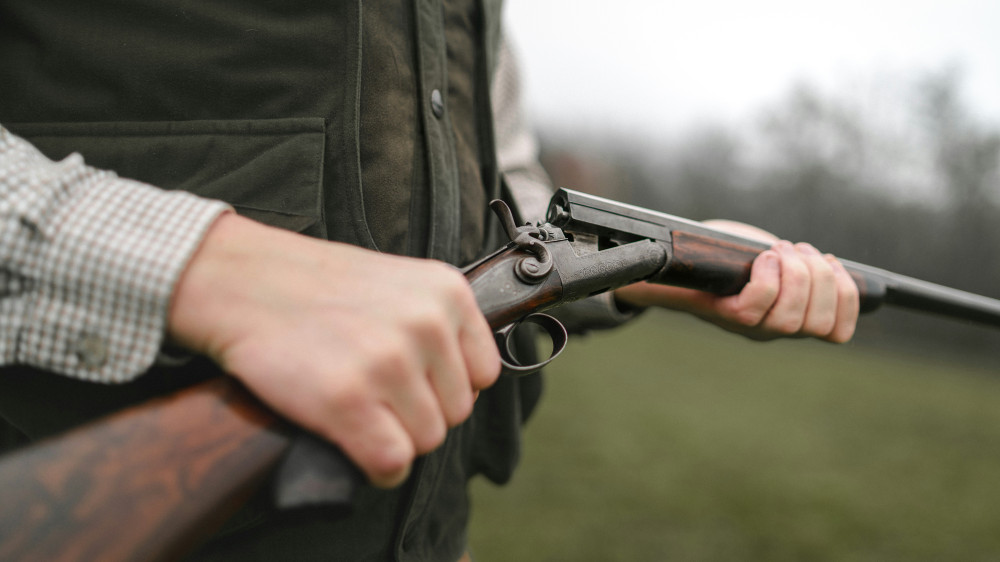
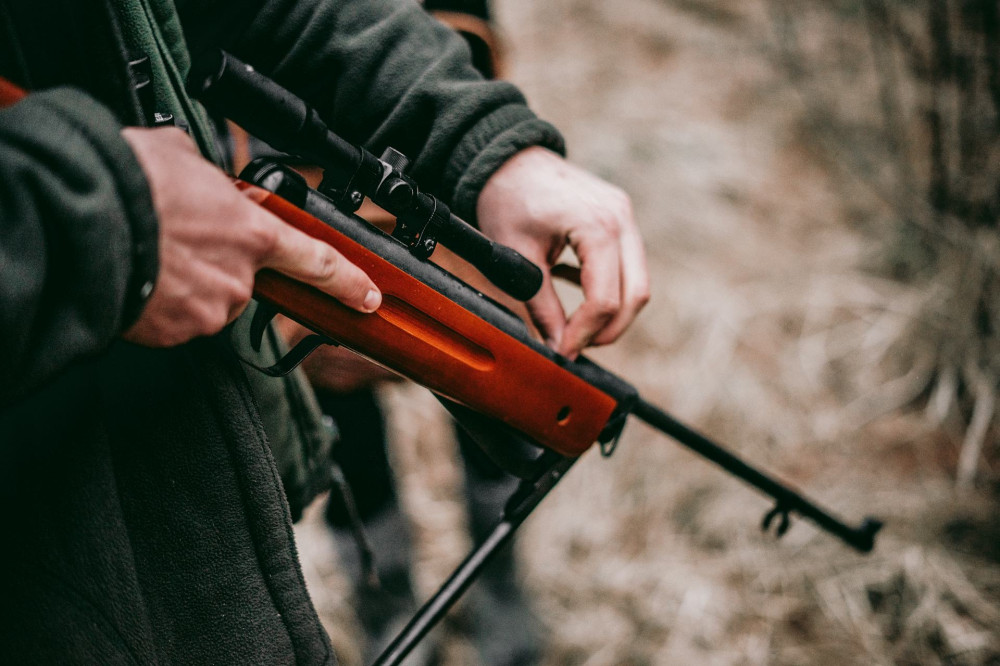
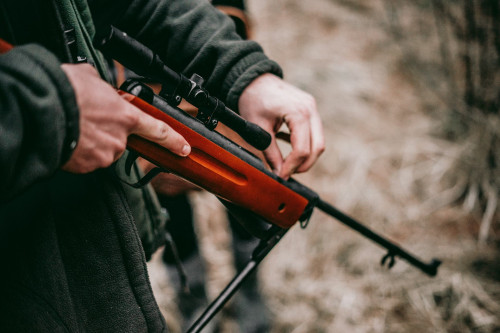
- Firearm and ammunition: Make sure your rifle and ammo are appropriate for your target species—and that you’ve practiced with them.
- Footwear: Invest in comfortable, broken-in boots suited to the terrain.
Physical preparation is just as important. Many hunts involve hiking at altitude or carrying heavy packs. Train ahead of time to ensure you can enjoy the experience safely.
Insurance and Safety
Hunting trips involve travel, firearms, and sometimes remote locations—so proper insurance is a must. A standard travel policy may not cover hunting activities, so read the fine print.
Consider:
- Trip cancellation and interruption insurance
- Specialized hunting or outfitter insurance
- Health and evacuation coverage, especially for remote or international trips
- Firearm and equipment insurance
Always share your itinerary with family or friends, and carry emergency contact information and communication devices if you’ll be in the backcountry.
Choose a Reliable Outfitter
A reputable outfitter can make your trip smoother and safer. Look for one with positive reviews, proper licensing, and membership in recognized hunting associations. Ask detailed questions about what’s included, the guide-to-hunter ratio, and what happens if weather or other issues affect your hunt.
A good outfitter will assist with logistics, permits, lodging, and trophy handling—and will be there to help if something goes wrong.
Læs også:
Enjoy the Experience—and Respect the Land
Once the planning is done, it’s time to enjoy the hunt. Remember that a successful trip isn’t just about the harvest—it’s about the experience, the landscape, and the people you meet along the way. Take time to appreciate the environment, follow ethical hunting practices, and respect local regulations and traditions.
When you return home, preserve your memories—whether through a mounted trophy, photos, or a journal. The best hunting trips leave you with stories and experiences that last far longer than the journey itself.
Læs også: